✓ Skills-based volunteering is growing, offering specialized expertise to organizations.
How It Works
1
Define Your Needs Clearly
Before recruiting, precisely identify the tasks, skills, and time commitments required for each volunteer role. This clarity ensures you attract suitable candidates and set clear expectations from the outset.
2
Craft Compelling Role Descriptions
Develop detailed and inspiring descriptions that highlight the impact volunteers will make, not just the duties. Emphasize how their contribution directly supports your nonprofit's mission and benefits the community.
3
Implement Effective Recruitment
Utilize diverse channels such as online platforms, community partnerships, and social media to reach a broad audience. Tailor your outreach to specific demographics and skill sets you are targeting for particular roles.
4
Cultivate Engagement & Retention
Beyond recruitment, focus on robust onboarding, ongoing training, recognition, and fostering a supportive community. Engaged volunteers are more likely to stay long-term and become advocates for your cause.
Understanding the Landscape of Nonprofit Volunteer Management
Photo: Gustavo Fring / Pexels
In the vibrant ecosystem of U.S. nonprofits, volunteers are the lifeblood, often bridging critical resource gaps and extending the reach of vital services. However, simply having a need for help isn't enough; effectively harnessing the power of volunteer opportunities for nonprofits requires a strategic and nuanced approach. It begins with a deep understanding of the current volunteer landscape, which has evolved significantly over the past decade. Today's volunteers are often seeking more than just a task to complete; they desire meaningful engagement, opportunities for skill development, and a clear connection to the impact of their efforts. This shift necessitates that nonprofits move beyond ad-hoc recruitment to develop comprehensive volunteer management programs.
Demographic trends also play a crucial role. While traditional volunteerism often saw retirees as a primary demographic, there's a growing cohort of younger professionals, students, and even corporate groups looking for ways to give back. Each group brings different motivations, availability, and skill sets. For instance, younger volunteers might be driven by a desire to gain experience, build their professional networks, or fulfill academic requirements, often preferring short-term, project-based roles. Conversely, retirees might seek long-term, consistent engagement that offers social connection and purpose. Understanding these diverse motivations is the first step in designing appealing volunteer opportunities that resonate with a wide audience.
Furthermore, the digital age has transformed how volunteers find opportunities and how nonprofits manage them. Online platforms, social media, and dedicated volunteer matching services have made it easier than ever for individuals to connect with causes they care about. For nonprofits, this means a greater emphasis on online visibility, clear and compelling digital messaging, and streamlined application processes. Ignoring these digital avenues can significantly limit a nonprofit's ability to attract the talent it needs. It's not just about posting a need; it's about creating an inviting digital storefront for your volunteer program.
Finally, the legal and ethical considerations surrounding volunteer engagement are paramount. Nonprofits must be aware of regulations concerning volunteer screening, liability, and ensuring a safe working environment. Background checks, clear policies, and adequate insurance are not just good practices; they are often legal necessities that protect both the organization and its volunteers. A well-managed volunteer program not only ensures operational efficiency but also safeguards the reputation and legal standing of the nonprofit. By strategically addressing these multifaceted aspects, nonprofits can cultivate a robust and reliable volunteer base that is essential for sustainable growth and mission fulfillment. For more insights on building a strong foundation, explore resources on effective nonprofit management strategies.
Crafting Irresistible Volunteer Roles and Recruitment Strategies
Photo: RDNE Stock project / Pexels
The cornerstone of attracting dedicated individuals to your volunteer opportunities for nonprofits lies in the roles themselves. Generic tasks rarely inspire long-term commitment. Instead, successful nonprofits focus on creating roles that are not only essential to their mission but also offer tangible benefits and fulfillment to the volunteer. This involves moving beyond simply listing duties and instead framing roles in terms of impact, learning, and community. Consider creating 'micro-volunteering' options for those with limited time, or 'skills-based volunteering' opportunities that allow professionals to lend their expertise in areas like marketing, legal aid, or IT. These specialized roles can be incredibly attractive, offering volunteers a chance to use their professional skills for good, often leading to a greater sense of purpose and higher engagement.
Once compelling roles are defined, the next challenge is effective recruitment. A multi-channel approach is almost always the most successful. Online volunteer platforms (like VolunteerMatch, Idealist, or Points of Light) are indispensable for reaching a broad audience. These platforms allow nonprofits to post detailed descriptions, specify requirements, and often manage applications. Social media is another powerful tool; crafting engaging posts with strong visuals and calls to action can draw significant attention. Testimonials from current volunteers can be particularly effective, offering authentic insights into the volunteer experience.
Beyond digital, consider local community engagement. Partnering with local businesses, schools, universities, and community centers can open doors to new volunteer pools. Hosting information sessions, participating in community fairs, or giving presentations about your nonprofit's mission and volunteer needs can generate genuine interest. Don't underestimate the power of word-of-mouth; encourage your current volunteers and supporters to spread the word. They are your most authentic advocates and can attract like-minded individuals.
Finally, the application and onboarding process must be streamlined and welcoming. A complicated or lengthy application can deter potential volunteers. Once an application is submitted, prompt communication is key. A well-structured onboarding process, including orientation, training, and clear expectations, sets volunteers up for success and makes them feel valued from day one. This initial investment in time and resources pays dividends in volunteer retention and overall program effectiveness. By making roles appealing and recruitment strategic, nonprofits can build a strong, passionate volunteer base.
Cultivating Engagement and Fostering Long-Term Volunteer Retention
Photo: RDNE Stock project / Pexels
Recruiting volunteers is only half the battle; the true measure of a successful program focused on volunteer opportunities for nonprofits lies in its ability to engage and retain its volunteer base. High turnover can be costly in terms of recruitment time, training resources, and loss of institutional knowledge. Effective engagement strategies are paramount to fostering a loyal and committed volunteer workforce. It begins with creating a supportive and appreciative environment where volunteers feel valued, heard, and connected to the mission. Regular communication, beyond just task assignments, is crucial. This includes sharing updates on the nonprofit's progress, highlighting the impact of volunteer efforts, and inviting feedback on their experiences.
Training and development play a significant role in retention. Volunteers, especially those in skills-based roles, often seek opportunities for personal and professional growth. Providing access to relevant training, workshops, or even mentorship can enhance their skills, deepen their understanding of the cause, and increase their sense of contribution. Furthermore, offering varied roles or opportunities for advancement within the volunteer program can keep individuals engaged over the long term. This might involve moving from a general support role to a leadership position, or taking on more complex projects as their experience grows.
Recognition and appreciation are non-negotiable. While volunteers don't expect monetary compensation, acknowledging their efforts publicly and privately is vital. This could range from simple thank-you notes, shout-outs on social media, or features in newsletters, to annual appreciation events or small tokens of gratitude. Understanding individual preferences for recognition is also important; some prefer public accolades, while others appreciate a quiet, personal thank you. Acknowledging milestones, such as hours served or years of service, reinforces their commitment and makes them feel like an integral part of the team.
Building a sense of community among volunteers is another powerful retention tool. Organizing social events, creating online forums, or facilitating peer-to-peer mentorship can help volunteers connect with each other, share experiences, and build camaraderie. This sense of belonging often becomes a strong motivator for continued involvement. When volunteers feel part of a team and a larger movement, their dedication deepens. Ultimately, investing in volunteer engagement is an investment in the long-term sustainability and success of your nonprofit. For more guidance on optimizing your internal processes, consider exploring best practices in nonprofit operational efficiency.
Leveraging Technology and Avoiding Common Pitfalls in Volunteer Programs
In today's fast-paced world, technology offers unparalleled opportunities to streamline and enhance volunteer programs for nonprofits. From recruitment to retention, digital tools can significantly reduce administrative burden and improve the volunteer experience. Utilizing Volunteer Management Systems (VMS) allows nonprofits to centralize volunteer data, track hours, manage schedules, communicate effectively, and even automate onboarding processes. Platforms like Salesforce for Nonprofits, Blackbaud, or even simpler tools like spreadsheet-based systems combined with email automation, can transform how you manage your volunteer base. These systems not only improve efficiency but also provide valuable data insights into volunteer engagement, helping organizations identify successful strategies and areas for improvement.
However, even with the best intentions and tools, nonprofits can fall into common pitfalls that hinder volunteer program success. One of the most frequent mistakes is a lack of clear communication and expectations. Volunteers need to understand their roles, the organization's mission, and how their work contributes to the larger goal. Vague assignments or inconsistent communication can lead to frustration and disengagement. Another pitfall is inadequate training and support. Throwing volunteers into tasks without proper guidance is a recipe for error and dissatisfaction. Comprehensive training, ongoing support, and easily accessible resources are crucial for empowering volunteers to perform effectively and confidently.
Overlooking the importance of feedback, both from and to volunteers, is another common error. Volunteers often have valuable insights into processes, program effectiveness, and community needs. Creating channels for them to share feedback and demonstrating that their input is valued can foster a sense of ownership and improve program quality. Conversely, providing constructive feedback to volunteers, delivered respectfully and supportively, can help them grow and feel more competent. Finally, failing to recognize and appreciate volunteers consistently can quickly lead to burnout and attrition. While grand gestures are nice, consistent, small acts of appreciation often have a greater cumulative impact. Remembering birthdays, sending personalized thank-you notes, or simply acknowledging their presence and effort are simple yet powerful ways to show gratitude. By proactively addressing these potential issues and embracing technological solutions, nonprofits can build more resilient, engaged, and impactful volunteer programs.
Comparison
Feature
Dedicated VMS (e.g., VolunteerMatch Pro)
CRM with Volunteer Module (e.g., Salesforce NPSP)
Manual Tracking (Spreadsheets)
Volunteer Database
Robust, specialized
Integrated with donor data
Basic, prone to errors
Shift Scheduling
Advanced, self-service portals
Requires customization/add-ons
Manual, time-consuming
Communication Tools
Built-in email/SMS, segmented
Integrated with marketing tools
External, fragmented
Reporting & Analytics
Detailed volunteer metrics
Comprehensive, cross-functional
Limited, manual compilation
Cost
Subscription-based
Subscription + implementation
Free (time cost high)
Scalability
Excellent
Excellent
Poor
What Readers Say
★★★★★
"Our animal rescue struggled with volunteer retention until we revamped our volunteer opportunities for nonprofits. Clear roles and a welcoming onboarding process made all the difference; our volunteers now feel truly part of the team."
Sarah Chen · Seattle, WA
★★★★★
"Implementing a new VMS for our food bank transformed how we manage volunteers. It's so much easier to schedule and communicate, which has directly led to more consistent help and better distribution of resources."
David Rodriguez · Austin, TX
★★★★★
"We focused on creating skills-based volunteer opportunities for our educational nonprofit. We've attracted incredible professionals who help with grant writing and curriculum development, saving us thousands and significantly boosting our programs."
Emily White · Boston, MA
★★★★★
"While finding new volunteers is always a challenge for our environmental group, improving our recognition program has made a noticeable impact on keeping our existing team motivated. We're still refining our online recruitment, but the engagement has improved."
Mark Johnson · Denver, CO
★★★★★
"As a small arts nonprofit, we rely heavily on volunteers. By clearly defining our volunteer opportunities for nonprofits and fostering a strong sense of community, we've built a passionate group that feels like family, essential for all our events."
Jessica Lee · Miami, FL
Frequently Asked Questions
What are the most effective ways to attract new volunteers for a nonprofit?
The most effective ways involve a multi-channel approach: utilizing online volunteer platforms, engaging on social media with compelling stories, partnering with local community groups and businesses, and leveraging word-of-mouth through existing supporters. Clear, impactful role descriptions are crucial.
How can our nonprofit retain volunteers long-term?
Retention hinges on consistent engagement, appreciation, and a supportive environment. Provide meaningful roles, offer ongoing training and development, recognize their contributions regularly, foster a sense of community, and solicit their feedback to make them feel valued and connected.
What technology should a small nonprofit use to manage volunteers?
For small nonprofits, starting with affordable or free volunteer management software (VMS) solutions is ideal. Many platforms offer basic features for scheduling, communication, and tracking. Even robust CRM systems like Salesforce for Nonprofits offer free or discounted licenses, providing integrated volunteer management capabilities.
Are there legal considerations when creating volunteer opportunities for nonprofits?
Yes, legal considerations are vital. Nonprofits must ensure volunteer safety, conduct necessary background checks for certain roles, understand liability insurance, and clearly differentiate between employees and volunteers to comply with labor laws. Consulting legal counsel specializing in nonprofits is advisable.
How do we measure the impact of our volunteer program?
Measuring impact involves tracking key metrics such as volunteer hours, projects completed, beneficiaries served, and cost savings. Qualitative data, like volunteer satisfaction surveys and testimonials, also provides valuable insights into the program's effectiveness and its contribution to your mission.
Who should oversee volunteer opportunities for nonprofits?
Ideally, a dedicated Volunteer Coordinator or Manager should oversee volunteer opportunities. In smaller organizations, this role might fall to a program manager or executive director. Clear leadership ensures consistent management, support, and strategic development of the volunteer program.
What are the risks of a poorly managed volunteer program?
A poorly managed volunteer program can lead to high turnover, low morale, negative public perception, and even legal liabilities. It can also strain staff resources, reduce efficiency, and ultimately hinder the nonprofit's ability to achieve its mission effectively.
How might AI or emerging tech impact future volunteer opportunities for nonprofits?
AI and emerging tech could revolutionize volunteer management by personalizing volunteer matching, automating administrative tasks, and providing data-driven insights into engagement. Virtual reality could offer immersive training, while AI-powered chatbots could assist with volunteer support and FAQs, enhancing efficiency and accessibility.
Ready to transform your nonprofit's impact and strengthen your community ties? By strategically designing and managing your volunteer opportunities for nonprofits, you can unlock a powerful force for good. Start building your thriving volunteer program today and watch your mission flourish.

 Photo: Gustavo Fring / Pexels
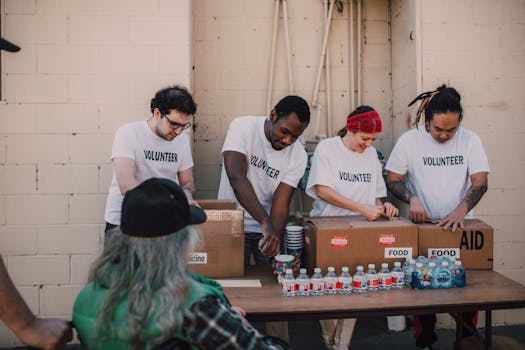 Photo: RDNE Stock project / Pexels
 Photo: RDNE Stock project / Pexels