Maximize Impact: Volunteer Opportunities for Nonprofits
volunteer opportunities for nonprofits

Maximize Impact: Volunteer Opportunities for Nonprofits

Unlock the full potential of your mission by strategically engaging dedicated volunteers across various essential roles.

Find Your Volunteers

Key Takeaways

  • ✓ Over 60 million Americans volunteer annually, contributing billions of hours to nonprofits.
  • ✓ Skilled volunteering (pro bono) can save nonprofits significant operational costs.
  • ✓ Effective volunteer management can increase a nonprofit's capacity by up to 30%.
  • ✓ Youth volunteers often bring fresh perspectives and tech-savvy skills.
  • ✓ Corporate volunteer programs offer valuable resources and community connections.

How It Works

1
Identify Your Needs

Clearly define the specific tasks, skills, and time commitments required for your projects. This clarity attracts the right volunteers and sets expectations from the start.

2
Craft Engaging Roles

Develop compelling volunteer position descriptions that highlight the impact and benefits of involvement. Focus on how volunteers will contribute to your nonprofit's mission.

3
Recruit Strategically

Utilize diverse channels such as online platforms, community partnerships, and corporate outreach to find passionate individuals. Tailor your recruitment message to each audience.

4
Support and Retain

Provide thorough onboarding, continuous training, and regular appreciation to foster a positive volunteer experience. Engaged volunteers become long-term advocates for your cause.

Understanding the Landscape of Nonprofit Volunteerism
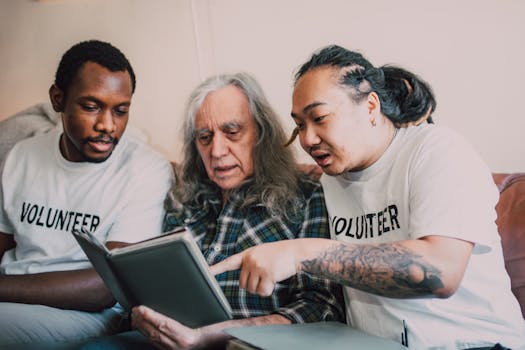
Volunteers assisting an elderly man with a photo album, demonstrating community support and multiculturalism. Photo: RDNE Stock project / Pexels
Volunteerism is the lifeblood of countless nonprofit organizations across the United States. Without the dedication and tireless efforts of volunteers, many vital services, programs, and advocacy initiatives would simply cease to exist. Understanding the current landscape of nonprofit volunteerism is crucial for any organization looking to optimize its impact and achieve its mission more effectively. Today's volunteers are more diverse, skilled, and digitally connected than ever before. They are not just looking for something to do; they are seeking meaningful engagement, opportunities to use their professional skills, and a clear understanding of the difference their efforts make. This shift necessitates a more strategic approach to identifying, recruiting, training, and retaining volunteers. Nonprofits must move beyond traditional models of volunteer engagement, which often relied on ad-hoc requests and limited structured roles, towards a more sophisticated, purpose-driven framework. The benefits of a robust volunteer program extend far beyond just completing tasks. Volunteers bring fresh perspectives, diverse skill sets, and an invaluable connection to the community. They often act as ambassadors for your cause, spreading awareness and encouraging others to get involved. Moreover, engaging volunteers can significantly reduce operational costs, allowing nonprofits to allocate more resources directly to their programs and beneficiaries. For example, a nonprofit that effectively leverages pro bono legal assistance or marketing expertise can save tens of thousands of dollars annually, freeing up funds for direct service provision or program expansion. The sheer economic value of volunteer time is staggering; independent sector estimates the value of a volunteer hour to be over $30. When multiplied by millions of hours annually, it underscores the profound economic contribution of volunteers to the nonprofit sector. A strong volunteer program also fosters a sense of community and shared purpose, not only among the volunteers themselves but also within the broader organization, including staff and board members. It creates a dynamic environment where passion meets action, driving positive change and sustainable growth for the organization. Effective nonprofit management inherently includes robust volunteer oversight. Nonprofits must recognize that volunteers are not just free labor; they are integral partners in achieving the organization's strategic goals and mission. Cultivating this partnership requires intentional effort, clear communication, and a commitment to providing a rewarding experience for every volunteer.

Strategic Recruitment and Onboarding for Diverse Volunteer Roles
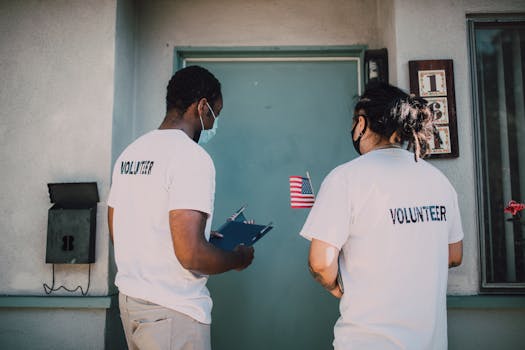
Two volunteers wear masks and visit community homes, engaging in outreach activities. Photo: RDNE Stock project / Pexels
Recruiting the right volunteers for your nonprofit requires a strategic, multi-faceted approach that goes beyond simply posting an open call. It begins with a clear understanding of your organizational needs and the specific skills, time commitments, and personality traits that would best suit each role. Are you looking for someone to manage your social media, assist with event planning, provide direct service to clients, or contribute to strategic planning? Each of these roles demands a different type of volunteer and therefore, a tailored recruitment strategy. Diversifying your recruitment channels is key. While traditional methods like community bulletin boards and word-of-mouth still have their place, modern nonprofits must leverage online platforms such as VolunteerMatch, Idealist, and local United Way portals. Social media campaigns on platforms like Facebook, LinkedIn, and Instagram can also be incredibly effective, allowing you to target specific demographics and interests. Beyond general recruitment, consider specialized avenues for specific needs. For pro bono professional services, reach out to local bar associations, marketing agencies, or corporate social responsibility departments. Universities are excellent sources for student volunteers, especially those looking for internships or service-learning opportunities, bringing fresh energy and up-to-date skills. Building relationships with local businesses for corporate volunteer days can provide a large influx of volunteers for specific projects, while also fostering valuable community partnerships. Once volunteers are recruited, the onboarding process is paramount to their long-term engagement and success. A well-structured onboarding program should include a comprehensive orientation to your organization's mission, values, and history. It should clearly outline the volunteer's role, responsibilities, and expectations, as well as introduce them to key staff members and fellow volunteers. Providing necessary training, whether it's for specific tasks, safety protocols, or client interaction, ensures volunteers feel competent and confident in their roles. This initial investment in time and resources pays dividends by reducing turnover, increasing efficiency, and ensuring a positive experience for both the volunteer and the organization. Remember, the goal is not just to fill a role, but to integrate volunteers into the fabric of your nonprofit, making them feel valued, informed, and truly part of the team.

Cultivating Engagement and Ensuring Long-Term Volunteer Retention
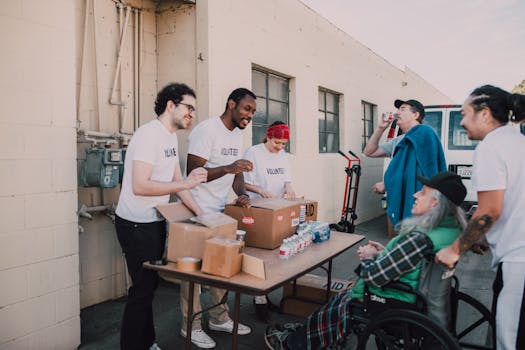
A group of diverse volunteers engaging in a community service activity outdoors, providing aid and support. Photo: RDNE Stock project / Pexels
Recruiting volunteers is only half the battle; keeping them engaged and committed for the long haul is where many nonprofits face their greatest challenge. High volunteer turnover can be costly in terms of time and resources spent on recruitment and training, and it can also negatively impact program consistency and morale. Effective volunteer retention strategies are built on a foundation of respect, recognition, and meaningful engagement. One of the most critical factors in retention is ensuring volunteers feel valued and that their contributions are making a tangible difference. Regular, constructive feedback, both formal and informal, can help volunteers understand their impact and identify areas for growth. Celebrating milestones, sharing success stories, and publicly acknowledging their efforts through newsletters, social media, or annual events are powerful motivators. Beyond recognition, providing opportunities for growth and development can significantly boost retention. This could include offering advanced training, leadership roles, or opportunities to take on new responsibilities. Volunteers, much like paid staff, appreciate the chance to learn new skills and expand their horizons. Creating a sense of community among volunteers is also crucial. Facilitate opportunities for them to connect with each other, share experiences, and build camaraderie. Social events, team-building activities, or even a dedicated online forum can foster a supportive and engaging environment. Flexibility is another key aspect, especially for modern volunteers who often juggle multiple commitments. Offering various scheduling options, remote work opportunities where feasible, or project-based roles can accommodate diverse lifestyles and increase accessibility to volunteering. Moreover, ensuring a positive and supportive relationship between volunteers and staff is paramount. Staff should be trained in effective communication and supervision techniques for volunteers, fostering an environment of mutual respect and collaboration. Addressing concerns promptly, listening to feedback, and demonstrating genuine care for their well-being are all vital components of a strong volunteer-staff dynamic. Ultimately, retaining volunteers is about building a relationship based on trust, mutual benefit, and shared passion for the mission.

Leveraging Technology and Avoiding Common Volunteer Management Mistakes

Close-up shot of hands operating a tablet touchscreen in a dark setting. Photo: Gül Işık / Pexels
In the digital age, technology offers incredible tools to enhance volunteer management, from recruitment to retention. Utilizing a dedicated volunteer management system (VMS) can streamline numerous processes. These platforms can handle everything from applicant tracking and background checks to scheduling, communication, and impact reporting. A good VMS can significantly reduce administrative burden, allowing staff to focus more on direct volunteer engagement rather than paperwork. Online communication tools, such as dedicated group chats, email newsletters, or even project management software, can keep volunteers informed, connected, and up-to-date on organizational news and opportunities. Social media also serves as a powerful tool for sharing volunteer stories, recognizing achievements, and attracting new talent. However, even with the best intentions and tools, nonprofits can fall into common pitfalls that undermine their volunteer programs. One major mistake is failing to clearly define volunteer roles and expectations. Ambiguity leads to frustration for both volunteers and staff. Another common error is inadequate training and support; throwing volunteers into complex tasks without proper guidance is a recipe for disengagement. Similarly, neglecting to provide regular feedback or appreciation can make volunteers feel unvalued. Overloading volunteers with tasks, or conversely, underutilizing their skills, can also lead to burnout or boredom. A significant mistake is failing to conduct background checks for roles involving vulnerable populations, which can expose the nonprofit to serious risks. Lastly, not having a clear point of contact or a structured communication channel for volunteers can create confusion and a sense of isolation. By leveraging technology wisely and proactively avoiding these common mistakes, nonprofits can build robust, sustainable, and impactful volunteer programs that truly advance their mission.

Comparison

FeatureVolunteerMatchIdealistPointLocal United Way
ReachNationalGlobalNationalLocal/Regional
Skill-Based MatchingStrongModerateModerateVaries by chapter
Cost for NonprofitsPaid tiersFree/PaidPaidOften Free
Event ManagementVaries
Corporate Program Integration

What Readers Say

"Our small animal rescue struggled with consistent volunteer help until we optimized our volunteer opportunities for nonprofits. Implementing a structured onboarding process and recognizing our volunteers regularly completely transformed our team's morale and efficiency. We now have a consistent pool of dedicated helpers."

Sarah Chen · Austin, TX

"As a youth mentorship program, finding engaged volunteers is crucial. By clearly defining our volunteer opportunities for nonprofits and using specific recruitment platforms, we've brought in incredible mentors who are truly passionate about making a difference. The quality of our volunteer base has never been higher."

Mark Johnson · New York, NY

"We're a food bank that relies heavily on volunteers for distribution. After streamlining our volunteer opportunities for nonprofits and focusing on retention, we saw a 30% decrease in volunteer turnover within six months. This meant less time recruiting and more time serving our community effectively."

Maria Rodriguez · Los Angeles, CA

"While our volunteer program has grown significantly by focusing on diverse volunteer opportunities for nonprofits, integrating new technology for scheduling was a learning curve. The long-term benefits in efficiency are clear, but the initial transition required patience and extra training for our team."

David Lee · Chicago, IL

"Our environmental conservation group needed skilled volunteers for grant writing and social media. By specifically targeting these volunteer opportunities for nonprofits, we attracted professionals who provided invaluable pro bono work, saving us thousands and significantly boosting our outreach."

Jessica Brown · Seattle, WA

Frequently Asked Questions

What are the most effective ways to recruit volunteers for a nonprofit?

The most effective recruitment strategies involve a multi-channel approach. Utilize online platforms like VolunteerMatch and Idealist, leverage social media, partner with local businesses and universities, and don't underestimate the power of word-of-mouth. Clearly define roles and highlight the impact volunteers will make to attract passionate individuals.

How can my nonprofit retain volunteers long-term?

Volunteer retention hinges on making volunteers feel valued, engaged, and impactful. Provide thorough onboarding and training, offer regular recognition and appreciation, create opportunities for growth, foster a sense of community, and maintain open, respectful communication. Flexibility in scheduling can also significantly improve retention.

How do I create compelling volunteer position descriptions?

Start by clearly outlining the tasks, required skills, and time commitment. Crucially, emphasize the impact the volunteer will have on your mission and beneficiaries. Use engaging language, highlight benefits to the volunteer (e.g., skill development, community connection), and make it easy to understand and apply.

What is the economic value of volunteer time for nonprofits?

The economic value of volunteer time is substantial. The Independent Sector estimates the value of a volunteer hour to be over $30, though this varies by state. Leveraging skilled volunteers (pro bono) for tasks like legal, marketing, or IT services can save nonprofits tens of thousands of dollars annually, directly impacting their ability to fund programs.

Are there specific types of volunteer opportunities for nonprofits that are always in demand?

While needs vary by mission, common in-demand volunteer roles include event support, administrative assistance, fundraising support, social media management, direct service (e.g., mentoring, food distribution), and skilled pro bono services (e.g., legal, accounting, web development). Identifying your specific gaps is key.

Who should oversee volunteer opportunities within a nonprofit?

Ideally, a dedicated Volunteer Coordinator or Manager should oversee volunteer opportunities. In smaller nonprofits, this role might fall to a program manager, executive director, or even a board member. Regardless of the title, this person needs strong organizational, communication, and interpersonal skills to effectively manage and support volunteers.

What are the legal considerations when engaging volunteers?

Nonprofits must be aware of several legal considerations, including ensuring volunteers are not misclassified as employees, providing a safe working environment, obtaining necessary background checks (especially for roles involving vulnerable populations), and having appropriate liability insurance. Consulting with legal counsel is advisable to ensure compliance.

How can technology enhance volunteer management for nonprofits?

Technology can significantly enhance volunteer management by streamlining recruitment (online platforms), communication (email, group chats), scheduling (VMS), and impact tracking. Volunteer management systems can automate administrative tasks, allowing staff to focus more on building relationships and ensuring a positive volunteer experience.

Ready to amplify your mission's reach and impact? Explore the diverse volunteer opportunities for nonprofits and implement strategies that attract, engage, and retain the passionate individuals your cause deserves. Start building a stronger, more vibrant volunteer community today.

Topics: volunteer opportunities for nonprofitsnonprofit volunteer managementvolunteer recruitment strategiescommunity engagement nonprofitvolunteer retention nonprofit
Leo List

DK Escorts LU Escorts AT Escorts SE Escorts FI Escorts CH Escorts DE Escorts HR Escorts IE Escorts GR Escorts CZ Escorts NO Escorts BE Escorts FR Escorts SI Escorts IL Escorts NL Escorts PL Escorts HU Escorts ES Escorts IT Escorts PT Escorts SK Escorts RO Escorts ZA Escorts UY Escorts US Escorts UK Escorts NZ Escorts AU Escorts
Brampton weed
Adultwork EstrelaBet Vai de Bet R7 Bet Betão Galera Bet Rainbet Bet9ja Shop SportyBet BetKing Sisal Loto Foot Hollywoodbets YesPlay Odibets RushBet Jugabet BetWarrior BetCity MSport betPawa Fortebet