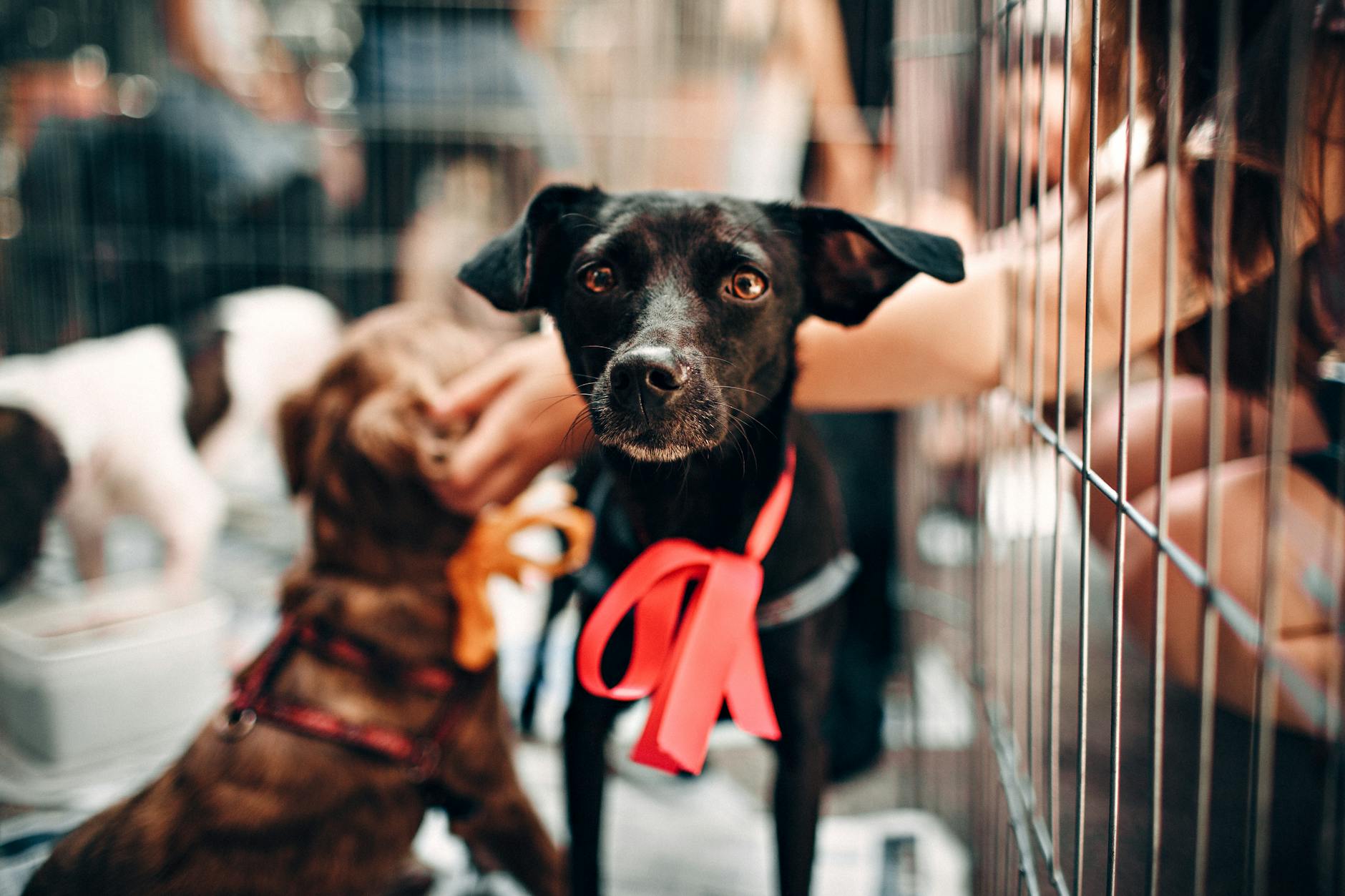
Starting a Nonprofit for Animal Welfare: Your Ultimate Guide
starting a nonprofit for animal welfare

Starting a Nonprofit for Animal Welfare: Your Ultimate Guide

Transform your passion into purpose and create lasting change for animals in need across the United States.

Start Your Journey Today

Key Takeaways

  • ✓ Over 6.3 million companion animals enter US shelters annually.
  • ✓ Nonprofit status (501(c)(3)) is crucial for tax-exempt donations.
  • ✓ A strong mission statement is the foundation of your organization.
  • ✓ Volunteers are the lifeblood of most animal welfare nonprofits.

How It Works

1
Define Your Mission & Vision

Clearly articulate what specific animal welfare issue you aim to address and your long-term aspirations. This forms the core identity of your future nonprofit.

2
Legal Formation & 501(c)(3) Status

File articles of incorporation with your state and then apply to the IRS for tax-exempt status. This legal framework is essential for receiving tax-deductible contributions.

3
Build Your Team & Board

Recruit dedicated individuals who share your passion and possess diverse skills for your board of directors and volunteer base. A strong team is vital for operational success.

4
Fundraising & Program Implementation

Develop a robust fundraising strategy and launch your animal welfare programs. Consistent funding and effective programs are key to achieving your mission and making a tangible impact.

Laying the Groundwork: Vision, Mission, and Legal Structure

Group of diverse volunteers smiling while sorting clothes at a charity donation center. Photo: Julia M Cameron / Pexels
Embarking on the journey of starting a nonprofit for animal welfare is a deeply rewarding endeavor, but it requires meticulous planning and a solid foundation. Before you even think about filing paperwork, the most critical first step is to clearly define your organization's vision and mission. What specific problem are you trying to solve? Is it rescuing abandoned cats, providing low-cost veterinary care, advocating for anti-cruelty laws, or perhaps a combination? Your mission statement should be concise, compelling, and clearly articulate your purpose, target beneficiaries, and the actions you will take. This statement will guide every decision, from program development to fundraising efforts. A strong mission resonates with potential donors, volunteers, and the community you serve. Complementing your mission, your vision statement should paint a picture of the future you aspire to create – a world where animals are safe, healthy, and treated with compassion. Once your foundational purpose is crystal clear, the next crucial phase involves understanding and navigating the legal landscape. In the United States, forming a nonprofit requires adherence to both state and federal regulations. The initial step is typically filing Articles of Incorporation with your chosen state's Secretary of State office. This legally establishes your entity. The articles will generally include your organization's name, purpose, registered agent, and initial board members. It's imperative to choose a unique and memorable name that reflects your mission and is available for registration. Following state incorporation, the most significant legal hurdle is obtaining 501(c)(3) tax-exempt status from the Internal Revenue Service (IRS). This federal designation is what allows your organization to receive tax-deductible donations, which is often the lifeblood of a nonprofit. The application process, primarily through IRS Form 1023, is detailed and requires a comprehensive understanding of your organizational structure, financial projections, and operational plans. It's highly recommended to seek legal counsel specializing in nonprofit law to ensure all documents are correctly prepared and submitted, avoiding costly delays or rejections. This early investment can save significant time and resources in the long run. Beyond the initial incorporation and 501(c)(3) application, your nonprofit will also need to comply with various ongoing legal and regulatory requirements. This includes obtaining an Employer Identification Number (EIN) from the IRS, which is like a social security number for your organization. You'll also need to register for charitable solicitations in any state where you plan to raise funds, as each state has its own specific requirements. Developing comprehensive bylaws is another essential step. These internal documents outline the operational rules for your organization, including board member responsibilities, meeting procedures, and conflict of interest policies. They serve as a roadmap for good governance and ensure that your nonprofit operates ethically and transparently. Understanding these initial legal and structural requirements is not just about compliance; it's about building a credible, sustainable, and impactful organization that can effectively fulfill its commitment to animal welfare. For more information on the broader nonprofit landscape, you might find this resource helpful: Understanding Nonprofit Organizations.

Building a Strong Foundation: Governance, Funding, and Operations

Three volunteers sharing coffee and ideas in a cozy kitchen setting, promoting community engagement. Photo: RDNE Stock project / Pexels
With your legal structure in place, the focus shifts to building a robust operational framework that can sustain your animal welfare efforts. At the heart of any successful nonprofit is a dedicated and effective Board of Directors. These individuals are not merely figureheads; they are fiduciaries responsible for the organization's financial health, legal compliance, and strategic direction. When recruiting board members, seek individuals with diverse skills – legal expertise, financial acumen, marketing experience, fundraising prowess, and, of course, a deep passion for animal welfare. A well-rounded board provides invaluable oversight, opens doors to new networks, and ensures good governance. Clearly defined roles, responsibilities, and regular meetings are crucial for an active and engaged board. Fundraising is another cornerstone of your nonprofit's survival and growth. Without consistent financial support, even the most passionate mission cannot be realized. Develop a diversified fundraising strategy that includes multiple revenue streams. This might involve individual donor appeals, grant writing to foundations, corporate sponsorships, special events, and online crowdfunding campaigns. Cultivating relationships with donors is paramount; they are not just sources of funds but partners in your mission. Transparency in how funds are used is also critical for building trust and encouraging continued support. Create a compelling case for support that highlights the tangible impact your organization makes on animal lives. Share success stories, use data to illustrate the need, and articulate precisely how donations will be utilized. Remember, people give to make a difference, so show them the difference they can make. Operationalizing your animal welfare programs requires careful planning and resource management. Whether you're running a shelter, a spay/neuter clinic, or an advocacy group, you'll need to develop clear protocols for animal care, volunteer management, record-keeping, and outreach. Volunteers are often the backbone of animal welfare nonprofits, providing countless hours of dedicated service. Establish a comprehensive volunteer program that includes recruitment, training, supervision, and recognition. Happy, well-trained volunteers are more effective and more likely to stay engaged. Technology plays an increasingly vital role in nonprofit operations, from donor management systems (CRMs) to animal tracking software and communication platforms. Investing in appropriate technology can streamline processes, improve efficiency, and free up valuable time for direct animal care or program delivery. Furthermore, developing a strong public relations and marketing strategy is essential for raising awareness and attracting support. Utilize social media, local news outlets, and community events to share your story and highlight your impact. Create a professional website that clearly communicates your mission, showcases your programs, and provides easy ways for people to donate or volunteer. Networking with other animal welfare organizations, local businesses, and community leaders can also open doors to collaborations, shared resources, and increased visibility. Building a strong community presence and fostering partnerships can significantly amplify your reach and impact, allowing you to help more animals and achieve your mission more effectively. This holistic approach to governance, funding, and operations is what transforms a good idea into a thriving, impactful organization.

Making an Impact: Programs, Evaluation, and Long-Term Sustainability
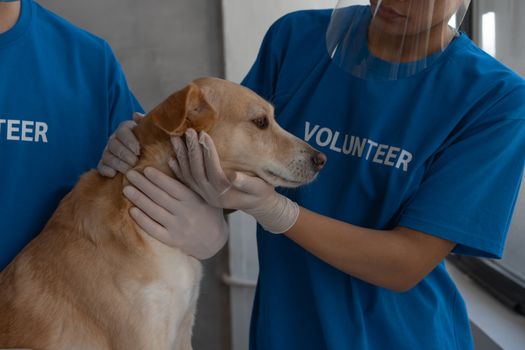
Volunteers in protective gear providing medical care to a dog at a vet clinic. Photo: Mikhail Nilov / Pexels
Once your nonprofit is legally established and has a foundational operational structure, the real work of making a difference for animals begins through your programs. The types of programs you offer will directly stem from your mission statement. For instance, if your mission is to reduce pet overpopulation, your programs might include low-cost spay/neuter clinics, community outreach educating about responsible pet ownership, and trap-neuter-return (TNR) initiatives for feral cat colonies. If your focus is on animal rescue, your programs would involve intake, veterinary care, foster networks, and adoption services. Each program needs clear objectives, a well-defined target audience, and measurable outcomes. For example, a spay/neuter program might aim to perform 500 surgeries in its first year, reducing shelter intake by a certain percentage. Crucially, robust program evaluation is not just a good practice; it's essential for demonstrating impact to donors, grantmakers, and the community. How do you know your programs are working? Establish metrics and data collection methods from the outset. This could involve tracking adoption rates, spay/neuter numbers, animal health outcomes, volunteer hours, or the number of animals impacted by advocacy efforts. Regularly analyze this data to assess program effectiveness, identify areas for improvement, and tell a compelling story about your impact. Sharing these results, both successes and challenges, builds trust and reinforces your organization's credibility. It also helps you refine your approach, ensuring that your resources are being used in the most effective way possible to achieve your mission. Long-term sustainability is perhaps the most challenging aspect for any nonprofit. It goes beyond just securing initial funding; it’s about creating an organization that can adapt, grow, and continue its mission for years to come. This involves strategic planning, which typically includes developing a multi-year plan outlining your goals, strategies, and financial projections. Diversifying your funding sources is key to sustainability. Relying too heavily on a single donor or grant can be risky. Explore recurring donor programs, planned giving, endowment funds, and earned income strategies (such as offering pet services for a fee, if appropriate and aligned with your mission). Building a strong reserve fund is also a critical financial practice, providing a buffer against unexpected expenses or fluctuations in donations. Furthermore, investing in your staff and volunteers is an investment in your organization's future. Provide opportunities for professional development, foster a positive organizational culture, and ensure fair compensation where applicable. High turnover can be detrimental to program continuity and institutional knowledge. Cultivating strong relationships with community stakeholders, including local government, businesses, and other nonprofits, can also enhance your long-term viability by creating a network of support and collaboration. Regularly review your organizational structure, programs, and financial health to ensure they remain aligned with your mission and the evolving needs of the animals you serve. This continuous process of assessment, adaptation, and strategic foresight is what allows an animal welfare nonprofit to not just survive, but to truly thrive and make an enduring impact. For further details on nonprofit management, consider exploring resources like Nonprofit Management Best Practices.

Common Pitfalls to Avoid and Tips for Success

A close-up of a person wearing a volunteer shirt with arms crossed, promoting community service. Photo: RDNE Stock project / Pexels
Starting a nonprofit for animal welfare is filled with passion, but it's also fraught with potential challenges. Being aware of common pitfalls can help you navigate these obstacles more effectively and increase your chances of long-term success. One significant mistake is underestimating the time and resources required. Running a nonprofit is akin to running a business, often with fewer resources and more emotional investment. Burnout is a real threat, so prioritize self-care and delegate tasks when possible. Another pitfall is neglecting legal and compliance requirements. Failing to file annual reports, maintain proper financial records, or adhere to charitable solicitation laws can result in loss of tax-exempt status, fines, and damage to your organization's reputation. Here are some critical tips for success: * **Start Small and Grow Strategically:** Don't try to do everything at once. Focus on one or two core programs initially, excel at them, and then expand. This builds credibility and prevents resource overstretch. * **Build a Diverse and Engaged Board:** Your board is your strategic compass. Recruit individuals with varied skills, networks, and a deep commitment to your mission. Ensure they understand their fiduciary duties. * **Prioritize Financial Transparency:** Be open and honest about your finances. Use clear, accessible reports to show donors exactly how their contributions are making a difference. This builds trust and encourages continued support. * **Develop a Robust Volunteer Program:** Volunteers are invaluable. Invest time in recruiting, training, appreciating, and retaining them. A strong volunteer base can amplify your impact significantly. * **Network and Collaborate:** Don't operate in a vacuum. Connect with other animal welfare organizations, local businesses, and community leaders. Collaboration can lead to shared resources, expertise, and expanded reach. * **Invest in Marketing and Communication:** Tell your story effectively. A strong online presence, engaging social media, and compelling storytelling can attract donors, volunteers, and adopters. * **Plan for Sustainability:** Always think long-term. Diversify funding, build reserves, and create a succession plan for key leadership roles. Your mission needs to outlive its founders. * **Embrace Continuous Learning:** The animal welfare landscape and nonprofit best practices are constantly evolving. Stay informed, attend workshops, and be willing to adapt your strategies. By proactively addressing these challenges and implementing these best practices, your animal welfare nonprofit can build a solid foundation, achieve its mission, and create a lasting positive impact on the lives of animals.

Comparison

Feature501(c)(3) NonprofitFor-Profit BusinessInformal Group/Coalition
Primary GoalPublic benefit, animal welfareProfit generation for ownersShared interest/advocacy
Tax-Exempt Status✓ (for qualifying organizations)
Donation Deductibility✓ (for donors)
Formal Legal StructureRequired (Articles of Inc., Bylaws)Required (LLC, Corp, etc.)Optional/Minimal
Governing BodyBoard of DirectorsOwners/ShareholdersMembers/Leaders
Fundraising PotentialHigh (grants, donations)Low (sales, investment)Limited (dues, small events)

What Readers Say

"This guide was instrumental in starting our cat rescue. The section on 501(c)(3) status made a daunting process feel manageable, and we successfully filed our paperwork last month. Highly recommend for anyone passionate about animal welfare!"

Sarah K. · Austin, TX

"As a first-time nonprofit founder, I found the advice on building a board and diversifying fundraising strategies incredibly helpful. We've already secured our first corporate sponsor thanks to the tips provided."

Mark D. · Denver, CO

"We were struggling with our program evaluation, but this article's emphasis on measurable outcomes gave us a clear framework. Our annual report now clearly shows a 30% increase in adoptions, directly attributable to refined strategies."

Jessica L. · Miami, FL

"While comprehensive, I wish there was a bit more detail on state-specific charitable solicitation registrations. However, the overall guidance on legal structure and sustainability is top-notch and has been a great resource for our advocacy group."

Robert P. · Portland, OR

"Our small animal sanctuary needed help scaling, and the 'Start Small and Grow Strategically' advice resonated deeply. We've focused on perfecting our foster program first, and it's brought so much more stability and better animal outcomes."

Emily R. · Chicago, IL

Frequently Asked Questions

What is the very first step in starting a nonprofit for animal welfare?

The very first step is to clearly define your mission and vision. Articulate the specific animal welfare problem you aim to solve and how your organization will address it. This foundational statement will guide all subsequent decisions, from legal filings to program development and fundraising, ensuring your efforts are focused and impactful.

Is it really necessary to get 501(c)(3) status for an animal welfare group?

Yes, obtaining 501(c)(3) status is highly recommended and often necessary. This federal tax-exempt designation allows your organization to receive tax-deductible donations, which is critical for fundraising. Without it, donors cannot claim contributions as deductions, significantly limiting your ability to attract substantial support and operate effectively.

How do I find and recruit good board members for my animal nonprofit?

To recruit effective board members, start by identifying the skills and networks your organization needs (e.g., legal, financial, marketing, fundraising). Reach out to your personal and professional networks, community leaders, and local professionals who share your passion for animal welfare. Clearly communicate the commitment and responsibilities, and look for individuals who are not only passionate but also bring valuable expertise and a willingness to actively contribute.

What are the typical initial costs associated with starting an animal welfare nonprofit?

Initial costs can vary but typically include state incorporation filing fees (ranging from tens to hundreds of dollars), IRS Form 1023 application fees (currently $275 or $600 depending on projected revenue), legal fees for counsel (if hired), and potentially initial operational expenses like website development, basic supplies, and insurance. Budgeting for these early expenditures is crucial.

How does an animal welfare nonprofit differ from a for-profit animal business?

The core difference lies in their primary purpose and legal structure. A nonprofit's primary goal is to serve a public benefit (animal welfare) and any surplus revenue must be reinvested into its mission, not distributed to owners. A for-profit business, conversely, aims to generate profit for its owners or shareholders. This distinction impacts tax status, fundraising capabilities, and governance.

Who should consider starting a nonprofit for animal welfare?

Anyone with a deep, unwavering passion for animal welfare, a clear vision for how to make a difference, and a willingness to commit significant time and effort should consider it. It's ideal for individuals who are organized, can build and lead a team, and are prepared for the challenges of fundraising and sustained operations, rather than just direct animal care.

What are the biggest risks involved in running an animal welfare nonprofit?

Key risks include financial instability due to inconsistent funding, volunteer burnout, legal and compliance issues, reputational damage from mismanagement or ethical lapses, and the emotional toll of working with animals in need. Mitigating these requires strong governance, diversified fundraising, robust volunteer management, and transparent operations.

What trends are impacting animal welfare nonprofits in the US today?

Current trends include increased focus on community-based programs (e.g., pet retention, TNR), advanced use of technology for adoptions and fundraising, a growing emphasis on diversity and inclusion within the sector, and the ongoing challenge of addressing pet overpopulation alongside evolving public perceptions of animal rights and welfare.

Are you ready to turn your compassion into action and make a tangible difference in the lives of animals? Starting a nonprofit for animal welfare is a journey of dedication and impact. Use this guide as your roadmap to navigate the complexities and build a sustainable organization that champions the cause of animals in need. Your commitment can change their world.

Topics: starting a nonprofit for animal welfareanimal rescue organizationnonprofit animal shelteranimal advocacy groupfounding animal charity
Leo List

IE Escorts NO Escorts US Escorts NZ Escorts AU Escorts
Brampton weed
Adultwork EstrelaBet Vai de Bet R7 Bet Betão Galera Bet Rainbet Bet9ja Shop SportyBet BetKing Sisal Loto Foot Hollywoodbets YesPlay Odibets RushBet Jugabet BetWarrior BetCity MSport betPawa Fortebet