✓ Over 1.5 million nonprofit organizations operate in the US, with a significant portion dedicated to education.
✓ Educational nonprofits contribute billions annually to support schools, students, and educators.
✓ These organizations address critical gaps in public education, from early childhood to higher learning.
✓ Philanthropic giving to education reached over $50 billion in 2022, highlighting its importance.
How It Works
1
Identify Educational Needs
Nonprofits first identify critical areas where traditional education systems fall short, such as STEM access, literacy gaps, or college readiness. This involves extensive research and community engagement to understand specific challenges.
2
Develop Targeted Programs
Based on identified needs, organizations design and implement innovative programs. These can range from after-school tutoring and mentorship to curriculum development and teacher training initiatives.
3
Secure Funding & Resources
Funding is crucial for sustainability. Nonprofits raise money through grants, individual donations, corporate partnerships, and fundraising events. They also often recruit volunteers to amplify their impact.
4
Execute, Measure & Scale
Programs are launched, and their effectiveness is rigorously measured through data collection and evaluation. Successful initiatives are then refined and potentially scaled to reach more students and communities.
The Vital Role of Educational Nonprofits in America
Photo: Keira Burton / Pexels
In the vast and diverse landscape of American education, nonprofit organizations play an indispensable and often unsung role. While public and private schools form the backbone of our educational system, nonprofit entities serve as crucial catalysts, innovators, and gap-fillers, addressing challenges that traditional institutions might struggle to tackle alone. These organizations are not driven by profit motives but by a profound commitment to improving educational outcomes for all, regardless of socioeconomic status, geographic location, or background. Their mission-driven approach allows them to experiment with new pedagogical methods, target underserved populations, and advocate for systemic change, making them cornerstones of educational equity and innovation across the United States.
One of the primary contributions of educational nonprofits is their ability to provide specialized support and resources that enhance, supplement, or even transform existing educational pathways. Consider the issue of early childhood literacy. Many public school systems face budget constraints that limit their ability to provide intensive, individualized literacy support for young learners. Nonprofit organizations step in with programs like 'Reading Is Fundamental' or 'Jumpstart for Young Children,' deploying trained volunteers and specialists to work directly with children, providing books, and fostering a love for reading from an early age. These interventions are critical because research consistently shows that strong early literacy skills are foundational for all future academic success. Without the dedicated efforts of these nonprofit groups, countless children would begin their academic journeys at a significant disadvantage.
Beyond early literacy, these organizations tackle a spectrum of educational challenges. Some focus on STEM (Science, Technology, Engineering, Mathematics) education, recognizing the growing demand for these skills in the modern workforce. Groups like 'Code.org' or 'Girls Who Code' introduce computer science to students who might otherwise lack access to such opportunities, particularly in under-resourced schools. Others concentrate on college access and persistence, guiding first-generation students through the complex application and financial aid processes, and providing mentorship to ensure they succeed once enrolled. Organizations such as 'College Track' or 'QuestBridge' exemplify this commitment, helping students from low-income backgrounds navigate the path to higher education and thrive there.
Furthermore, educational nonprofits are often at the forefront of advocating for policy changes that benefit students and educators. They conduct research, publish reports, and engage with lawmakers to push for equitable funding, improved teacher training standards, and reforms that address systemic inequities. Their collective voice amplifies the needs of students and communities, ensuring that education remains a priority on the national agenda. By operating outside the direct political pressures faced by public institutions, they can often take more agile and innovative approaches to problem-solving, acting as incubators for ideas that may eventually be adopted more broadly. The cumulative impact of these dedicated organizations is immense, shaping the lives of millions of students and strengthening the fabric of American society by fostering a more educated and engaged citizenry.
Types of Nonprofit Organizations for Education US and Their Impact
Photo: Max Fischer / Pexels
The landscape of nonprofit organizations dedicated to education in the US is incredibly diverse, reflecting the multifaceted nature of educational needs. These organizations can be broadly categorized by their focus areas, target demographics, and the specific interventions they provide. Understanding these distinctions helps illuminate the comprehensive support system they collectively create for students, teachers, and communities across the nation. From national powerhouses to grassroots local initiatives, each plays a critical role in advancing educational excellence and equity.
One major category includes organizations focused on **direct student support**. These nonprofits work directly with students, offering programs such as tutoring, mentoring, after-school enrichment, and scholarship opportunities. Examples include Boys & Girls Clubs of America, which provides safe spaces, academic support, and life skills development for millions of children and teens, and Khan Academy, a global online platform offering free educational resources and personalized learning tools. Other organizations like Big Brothers Big Sisters of America offer mentorship that significantly impacts academic performance and social-emotional development. These direct services often fill critical gaps, providing individualized attention that schools, due to large class sizes or limited resources, cannot always offer.
Another significant group comprises organizations dedicated to **teacher and school support**. Recognizing that effective education hinges on high-quality educators and well-resourced schools, these nonprofits focus on professional development, curriculum enhancement, and school improvement initiatives. Teach For America, for instance, recruits recent college graduates and professionals to teach in low-income communities, providing them with training and ongoing support. DonorsChoose.org allows public school teachers to request materials and experiences their students need, funding thousands of classroom projects annually through individual donations. Organizations like New Leaders focus on training and supporting effective school principals, understanding their pivotal role in school-wide success. By empowering educators and strengthening school infrastructure, these nonprofits create a ripple effect that benefits entire student populations.
Then there are nonprofits that specialize in **advocacy and systemic change**. These organizations don't always work directly with students or teachers but instead focus on influencing policy, conducting research, and raising public awareness about educational issues. The Education Trust, for example, works to close achievement gaps and promote high academic standards for all students, particularly those from low-income families and students of color, through research and advocacy. The National Urban League advocates for educational equity and opportunity for African Americans and other underserved communities. These groups often play a long-game, working to dismantle systemic barriers and create a more equitable educational landscape through legislative action, public campaigns, and strategic partnerships. Their work is essential for fostering lasting, large-scale improvements.
Finally, some nonprofits focus on **specific educational areas or demographics**. This includes organizations like the United Negro College Fund (UNCF), which supports historically Black colleges and universities (HBCUs) and provides scholarships to minority students, or environmental education groups that promote science literacy and conservation. There are also organizations focused on special education, adult literacy, or vocational training. This specialization allows for deep expertise and highly tailored programs that address niche but critical needs within the broader educational spectrum. The collective efforts of these diverse nonprofit organizations form a comprehensive ecosystem of support, innovation, and advocacy that is indispensable to the health and progress of education in the United States.
Choosing the Right Educational Nonprofit to Support
Photo: RDNE Stock project / Pexels
Deciding which educational nonprofit to support can be a deeply personal and impactful decision. With hundreds of thousands of organizations operating across the US, each with its unique mission, approach, and geographic focus, navigating the options requires careful consideration. Whether you're an individual donor, a corporate entity looking for a philanthropic partner, or a volunteer seeking to dedicate your time, understanding how to evaluate and select the right organization ensures your contributions create the maximum positive impact. Your choice can directly influence a child's future, a teacher's efficacy, or a community's educational landscape.
The first step in choosing an educational nonprofit is to **clarify your own values and priorities**. What aspect of education are you most passionate about? Is it early childhood literacy, STEM education, college access, supporting underserved communities, or advocating for policy change? Do you prefer local impact or national reach? Once you have a clear idea of your interests, you can narrow down the vast field of organizations. For example, if you're passionate about ensuring all students have access to technology, you might look for groups that provide computers or coding education in low-income areas. If you're concerned about teacher retention, you might seek out organizations that offer professional development and support for educators.
Next, **research the organization's mission, programs, and impact**. A reputable nonprofit will have a clear mission statement that aligns with its activities. Look for detailed descriptions of their programs: what do they do, who do they serve, and how do they measure success? Websites like Charity Navigator, GuideStar, and CharityWatch provide invaluable resources for evaluating nonprofits. These platforms offer ratings based on financial health, accountability, and transparency. They can show you how much of a donation goes directly to programs versus administrative costs, and provide access to annual reports and IRS Form 990s. A strong track record of measurable outcomes and transparent reporting is a strong indicator of an effective organization. You want to see evidence that your contribution is truly making a difference, not just being spent on overhead. For example, an organization focused on literacy might report the percentage of students who achieved reading proficiency after participating in their program.
Consider the **organization's leadership and governance**. A strong board of directors, diverse in its expertise and committed to the mission, is crucial for good governance. Look for information about their leadership team and how decisions are made. Are they actively engaging with the communities they serve? Are their programs culturally competent and responsive to the specific needs of their beneficiaries? Visiting their website, reading their annual reports, and even reaching out directly with questions can provide deeper insights. Many organizations are eager to share their stories and demonstrate their impact. Furthermore, don't underestimate the power of local nonprofits. While national organizations have broad reach, local groups often have a deeper understanding of specific community needs and can provide highly targeted interventions, fostering a stronger sense of ownership and direct impact. Supporting a local nonprofit can mean seeing the direct results of your generosity in your own community, which can be incredibly rewarding. Ultimately, the best choice is one that resonates with your personal philanthropic goals and demonstrates a verifiable commitment to impactful, ethical, and transparent work in education.
Maximizing Your Impact: Tips for Engaging with Educational Nonprofits
Photo: RDNE Stock project / Pexels
Engaging with educational nonprofits, whether through donations, volunteering, or advocacy, offers a powerful avenue to contribute to a brighter future. However, simply writing a check isn't always the most effective way to maximize your impact. Strategic engagement can amplify your contribution, creating more profound and sustainable change. Here are essential tips for individuals and organizations looking to make a significant difference in the US educational landscape through nonprofit partnerships:
**Tips for Donors:**
* **Research Beyond the Name:** As discussed, use charity evaluators (Charity Navigator, GuideStar) to assess financial health, transparency, and accountability. Don't just give to the biggest names; smaller, local organizations can have immense, targeted impact.
* **Consider Unrestricted Giving:** While specific program funding feels good, unrestricted donations allow nonprofits to allocate funds where they're most needed, cover essential operational costs, and adapt to emerging challenges. This flexibility is vital for long-term sustainability.
* **Set Up Recurring Donations:** Even small monthly contributions can provide a stable, predictable revenue stream for nonprofits, enabling better long-term planning and program development.
* **Leverage Employer Matching Programs:** Many companies offer to match employee donations, effectively doubling your contribution without additional personal cost.
* **Donate In-Kind:** If you have resources like office supplies, technology, or professional services (e.g., marketing, legal), consider donating them directly. This can save the nonprofit significant funds.
**Tips for Volunteers:**
* **Align Skills with Needs:** Offer skills you genuinely possess – tutoring, event planning, grant writing, social media management, or administrative support. Don't just sign up for anything; find a role where you can truly excel.
* **Be Reliable and Consistent:** Nonprofits rely heavily on volunteer commitments. Show up on time, fulfill your duties, and communicate clearly if your availability changes. Consistency builds trust and allows for better program planning.
* **Understand the Mission:** Take time to learn about the organization's goals and the impact of your work. This understanding will make your volunteering more meaningful and effective.
* **Be a Patient Listener:** When working directly with students or families, listen to their needs and perspectives. Building rapport and understanding their challenges is key to providing effective support.
* **Advocate Beyond Volunteering:** Share your experiences, encourage others to volunteer, and amplify the nonprofit's message through your networks.
**Tips for Corporate Partners:**
* **Seek Strategic Alignment:** Partner with nonprofits whose mission aligns with your company's values and business objectives. This creates authentic partnerships that are beneficial for both parties.
* **Offer More Than Just Funding:** Provide employee volunteers, pro bono services, product donations, or mentorship opportunities. Holistic partnerships create deeper impact.
* **Measure and Communicate Impact:** Work with the nonprofit to track the outcomes of your partnership and communicate these successes to your employees, customers, and stakeholders. This demonstrates return on investment (ROI) beyond just financial metrics.
* **Engage Employees:** Create opportunities for your employees to get involved, fostering a sense of purpose and team building while supporting a good cause.
By adopting these strategic approaches, individuals and organizations can move beyond transactional giving to truly transformative engagement, strengthening the educational ecosystem and creating lasting positive change for students across the US.
Comparison
Feature
Large National Nonprofits
Mid-Sized Regional Nonprofits
Small Local Nonprofits
Reach
Broad national/international
Multiple states/large metro areas
Specific city/county
Program Diversity
Wide range of programs
Focused on several key areas
Highly specialized
Funding Sources
Major grants, corporate, individual
Regional grants, local businesses, individual
Community fundraising, small grants
Administrative Overhead
Potentially higher (due to scale)
Moderate
Often lower (more direct impact)
Direct Community Engagement
Indirect/through local chapters
Significant
Very high, deeply embedded
Innovation Potential
Can pilot large-scale projects
Agile, can adapt quickly
Highly responsive to immediate needs
What Readers Say
★★★★★
"Supporting nonprofit organizations for education in the US has been incredibly rewarding. I've seen firsthand how their literacy programs transformed my neighbor's child's reading skills, giving her a confidence she never had before."
Sarah J. · Austin, TX
★★★★★
"As a former teacher, I deeply appreciate the work of educational nonprofits. They provide resources and training that schools desperately need, empowering educators to do their best work. It's a critical support system."
Mark D. · Chicago, IL
★★★★★
"My son, a first-generation college student, received invaluable mentorship and scholarship guidance from a local educational nonprofit. He's now thriving in his sophomore year, a direct result of their dedicated support."
Emily R. · Atlanta, GA
★★★★★
"While I think some large national nonprofit organizations for education US could improve their transparency on administrative costs, their impact on STEM access in underserved communities is undeniable. Their mission is vital."
David L. · Seattle, WA
★★★★★
"Our company partnered with an educational nonprofit to provide coding workshops. Not only did our employees love volunteering, but we also saw a tangible increase in participating students' interest in tech careers. A win-win!"
Jessica M. · Denver, CO
Frequently Asked Questions
What are the primary goals of nonprofit organizations for education in the US?
The primary goals are diverse but generally revolve around improving educational access, equity, and outcomes for all students. This can include enhancing academic performance, providing resources to underserved communities, promoting specialized learning (like STEM or arts), supporting teacher development, and advocating for policy changes that strengthen the education system.
Are donations to educational nonprofits tax-deductible?
Yes, donations to qualified 501(c)(3) nonprofit organizations for education in the US are generally tax-deductible. It's always best to check with the specific organization and consult with a tax professional for personalized advice, but most reputable educational charities operate under this tax-exempt status.
How can I volunteer with an educational nonprofit?
To volunteer, first identify an area of education you're passionate about. Then, research local or national organizations focusing on that area. Visit their websites for volunteer application forms or contact them directly. Many organizations have specific roles for tutors, mentors, event helpers, or administrative support, and some require background checks.
What's the difference between a public school and an educational nonprofit?
Public schools are government-funded institutions providing mandatory education, while educational nonprofits are privately funded, mission-driven organizations. Nonprofits often supplement or innovate beyond public school offerings, addressing specific gaps, providing specialized programs, or advocating for systemic change, rather than providing core K-12 instruction.
How do I ensure my donation to an educational nonprofit is used effectively?
To ensure effective use, research the nonprofit's financial transparency and program impact using sites like Charity Navigator or GuideStar. Look for clear annual reports, audited financials, and measurable outcomes. Consider organizations with lower administrative overhead and a strong track record of achieving their stated goals. Unrestricted donations often allow them the flexibility to allocate funds where most needed.
Who benefits most from the work of nonprofit organizations for education in the US?
While all students can benefit, those in underserved communities, students from low-income backgrounds, first-generation college students, and those needing specialized support (e.g., literacy, STEM, special needs) often benefit most significantly. These organizations frequently target critical gaps in resources and opportunities that otherwise leave certain student populations behind.
What are the risks of donating to a fraudulent educational charity?
Donating to a fraudulent charity means your money won't go towards its stated purpose, potentially enriching scammers and undermining legitimate efforts. It also erodes public trust in the nonprofit sector. Always verify a charity's 501(c)(3) status with the IRS or use reputable charity evaluators before donating to mitigate this risk.
What future trends are influencing educational nonprofits in the US?
Key trends include increased focus on digital learning equity, personalized education, social-emotional learning, workforce development alignment, and addressing the impact of artificial intelligence on future skills. Nonprofits are adapting by developing hybrid learning models, mental health support programs, and innovative curricula to prepare students for a rapidly changing world.
Empower the next generation by engaging with nonprofit organizations for education in the US. Whether you donate, volunteer, or advocate, your contribution can ignite potential and build a more equitable and educated society. Explore the organizations making a difference today and become a part of the solution.

 Photo: Keira Burton / Pexels
 Photo: Max Fischer / Pexels
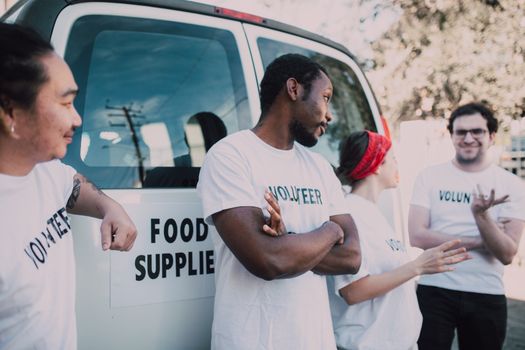 Photo: RDNE Stock project / Pexels
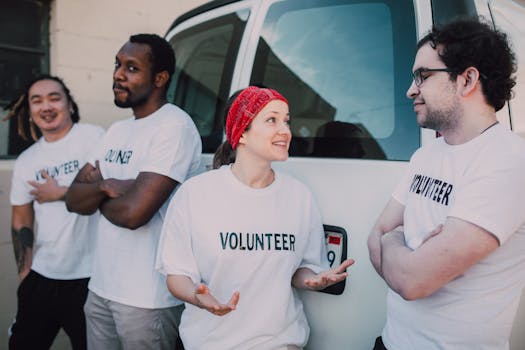 Photo: RDNE Stock project / Pexels