Unlock Funding: Nonprofit Grants for Small Organizations

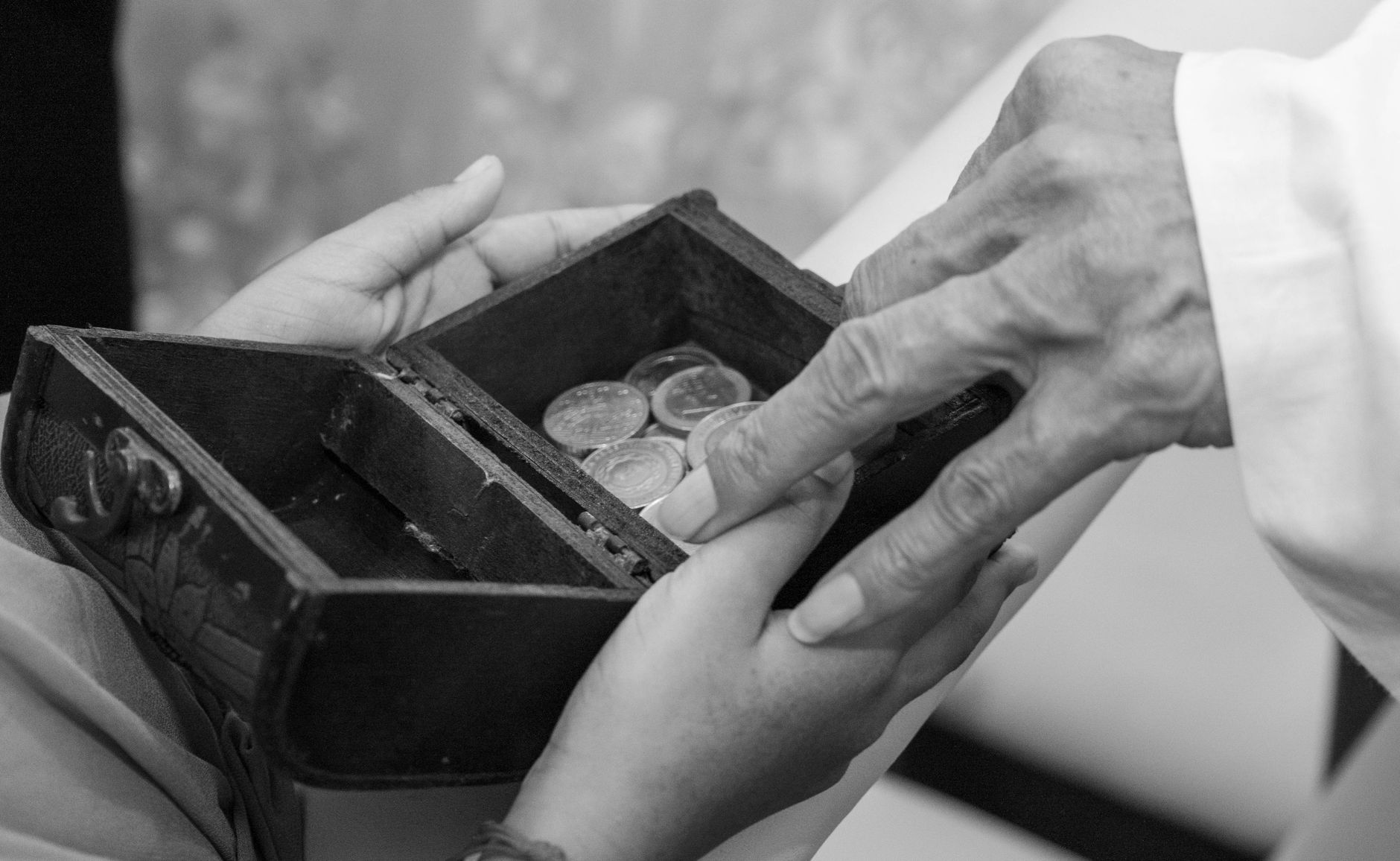
A touching black and white image of hands exchanging coins in a small wooden box, symbolizing trust and tradition.Photo: Luis Morales Torres / Pexels

Unlock Funding: Nonprofit Grants for Small Organizations

Navigate the world of grant funding to secure essential resources for your small nonprofit's mission and impact.

Find Your Grant

Key Takeaways

  • ✓ Small nonprofits face unique challenges but also have distinct advantages in grant applications.
  • ✓ Many foundations specifically earmark funds for smaller, community-focused organizations.
  • ✓ Building strong relationships with funders is often more critical than grant writing prowess alone.
  • ✓ A well-defined mission, clear impact metrics, and strong financial stewardship are paramount for grant success.

How It Works

1
Define Your Need & Impact

Clearly articulate your organization's mission, specific project needs, and the measurable impact your work will have. This forms the core of your grant narrative.

2
Research & Identify Funders

Utilize grant databases, foundation websites, and community networks to find funders whose priorities align perfectly with your organization's mission and project goals.

3
Craft a Compelling Proposal

Develop a well-structured, persuasive grant application that addresses all funder requirements, showcases your organization's capacity, and highlights the tangible benefits of your work.

4
Cultivate Relationships & Follow Up

Beyond submission, engage with potential funders. Build rapport, be responsive to inquiries, and demonstrate your commitment to your mission, even if the initial application isn't successful.

Understanding the Landscape of Small Nonprofit Funding
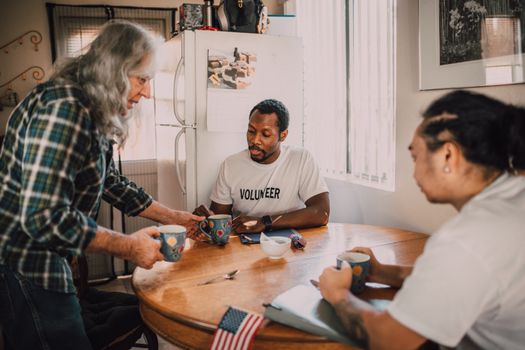
Three volunteers sharing coffee and ideas in a cozy kitchen setting, promoting community engagement.Photo: RDNE Stock project / Pexels
For many small nonprofit organizations across the United States, securing consistent and adequate funding is a perpetual challenge. Unlike larger, more established institutions with dedicated development teams, smaller entities often rely on a handful of passionate individuals to wear multiple hats, including that of a grant seeker. However, it's crucial to recognize that the grant landscape is not monolithic; it's diverse, with numerous foundations, corporations, and government agencies specifically designating funds for smaller, community-based initiatives. This section will delve into the unique aspects of seeking nonprofit grants for small organizations, highlighting both the hurdles and the distinct advantages they possess. Small nonprofits, by their very nature, are often deeply embedded within the communities they serve. This proximity allows for a profound understanding of local needs and the ability to respond with agility and innovation. Funders are increasingly recognizing the value of these grassroots efforts, understanding that a smaller investment in a highly effective, community-driven organization can yield disproportionately significant results. Many private foundations, in particular, are structured to support this scale of operation, often preferring to fund organizations with budgets under a certain threshold or those focused on specific geographic areas or underserved populations. This creates a fertile ground for small nonprofits, provided they know where to look and how to articulate their value proposition. The challenges, however, are equally present. Small organizations typically have limited staff capacity, meaning that grant research, writing, and reporting often fall to executive directors or program managers who already have demanding workloads. They might also lack sophisticated data tracking systems, making it harder to quantify impact in the ways larger funders often expect. Furthermore, the sheer volume of grant opportunities can be overwhelming, and distinguishing legitimate, relevant calls for proposals from those that are a poor fit requires time and strategic insight. It's not just about finding grants; it's about finding the *right* grants that align with the organization's mission and capacity. Despite these challenges, small nonprofits possess inherent strengths that can be leveraged in grant applications. Their direct service delivery often provides compelling human-interest stories and tangible evidence of impact, which resonates powerfully with funders. Their lean operational structures can also be presented as an advantage, demonstrating fiscal responsibility and a high proportion of funds directly impacting beneficiaries. Moreover, many small organizations foster strong volunteer bases and local partnerships, showcasing community support and collective action. Understanding these inherent strengths and weaknesses is the first step toward developing a successful grant-seeking strategy. It's about framing the narrative in a way that highlights efficiency, community connection, and profound local impact, rather than simply focusing on budget size. For more insights on general nonprofit management, visit our nonprofit resources.

Identifying and Researching Grant Opportunities
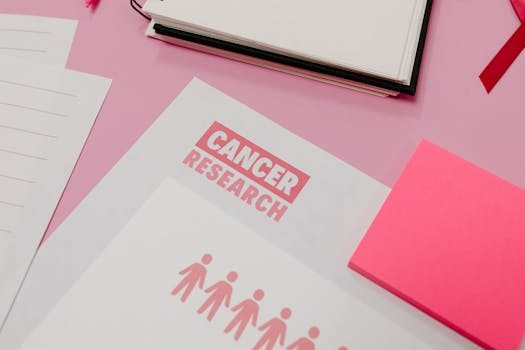
Assorted cancer research materials laid on a pink desk. Professional workspace.Photo: Tara Winstead / Pexels
The cornerstone of successful grant acquisition for small nonprofits is meticulous research. It's a strategic process that goes beyond a simple keyword search; it involves understanding the philanthropic landscape, identifying funders whose values align with your own, and discerning their specific giving priorities. For small organizations, time is a precious commodity, so efficient and targeted research is paramount. Start with broad grant databases like Candid's Foundation Directory Online, GrantStation, or Grants.gov (for federal opportunities). While these platforms offer a vast array of listings, small nonprofits should use advanced filters to narrow down searches by budget size, geographic focus (e.g., US, state-specific), areas of interest (e.g., education, environmental, social justice), and population served. Many foundations explicitly state that they support small or emerging organizations, or those with annual budgets below a certain threshold (e.g., $500,000). Prioritizing these funders significantly increases your chances of success. Beyond large databases, explore local and regional sources. Community foundations are often excellent resources for small nonprofits, as their mission is explicitly tied to supporting local initiatives. They frequently offer smaller grants, technical assistance, and networking opportunities. Check your state's association of nonprofits, local chambers of commerce, and university grant-seeking resources. These entities often compile lists of local funders or host workshops tailored to smaller organizations. Don't overlook corporate giving programs, especially those of local businesses that have a vested interest in the well-being of the community where their employees live and work. Many corporations have dedicated foundations or CSR (Corporate Social Responsibility) initiatives that support a wide range of causes. When you identify a potential funder, don't just skim their website. Dive deep into their 'About Us' section, 'Grant Guidelines,' 'Recently Funded Projects,' and 'FAQs.' Look for clues about their preferred grant sizes, reporting requirements, and whether they accept unsolicited proposals or require a letter of inquiry (LOI) first. Pay close attention to their mission statement and program areas; if your project doesn't directly align, it's likely not a good fit, no matter how appealing the grant amount. Reviewing their past grantees can also provide valuable insight into the types of organizations and projects they typically support. This thorough due diligence saves valuable time and prevents your organization from submitting applications to unsuitable prospects, allowing you to focus your limited resources on the most promising opportunities. Remember, a well-researched list of 10 highly aligned funders is far more valuable than a list of 100 vaguely relevant ones.

Crafting a Winning Grant Proposal for Small Organizations

Crop young female unemployed job seeker filling questionnaire sitting at table during interview in officePhoto: Sora Shimazaki / Pexels
Once you've identified promising grant opportunities, the next critical step is to craft a compelling proposal that resonates with funders. For small organizations, this often means leveraging your unique strengths – your deep community connection, direct impact, and efficient operations – to stand out. A winning proposal isn't just about listing your needs; it's about telling a persuasive story of impact, capacity, and alignment with the funder's mission. Start with a strong executive summary. This should be a concise, one-page overview that captures the essence of your project, its need, proposed activities, expected outcomes, and the requested funding amount. It's often the first (and sometimes only) part a funder reads, so make it impactful. Follow this with a clear problem statement that articulates the specific community need your project addresses, supported by relevant data and anecdotes. Funders want to know you understand the context and urgency of the issue. Next, detail your project goals, objectives, and activities. Goals are broad statements, while objectives are specific, measurable, achievable, relevant, and time-bound (SMART). Clearly outline the steps your organization will take to achieve these objectives. For example, instead of saying 'we will help children,' state 'we will provide 50 underserved children with weekly tutoring sessions for 12 weeks, resulting in a 20% improvement in reading comprehension scores.' This specificity demonstrates thoughtful planning and accountability. Crucially, showcase your organization's capacity and expertise. As a small nonprofit, you might not have a large team, but highlight the qualifications and experience of your staff, board, and key volunteers. Emphasize your track record of success, even if it's on a smaller scale. Provide evidence of community support, such as letters of support from partners or testimonials from beneficiaries. Your budget section must be realistic, detailed, and transparent. Justify each line item and demonstrate how the requested funds will be used efficiently to maximize impact. Many funders appreciate when small organizations show a commitment to leveraging resources, such as volunteer hours or in-kind donations. Finally, the evaluation plan is vital. Explain how you will measure your project's success and report on outcomes. Funders are increasingly focused on impact, so demonstrating a clear plan for data collection and analysis is essential. Conclude with a strong statement reiterating your organization's mission and the profound positive change your project will bring. Remember to proofread meticulously and adhere to all formatting and submission guidelines. A polished proposal reflects professionalism and respect for the funder's time. For more help with your grant-seeking strategy, explore our comprehensive guide to nonprofit success.

Common Mistakes and Best Practices for Small Nonprofit Grant Seekers

Woman holding a charity sale sign in a studio setting.Photo: Max Fischer / Pexels
Navigating the grant landscape can be complex, and small nonprofits, with their often limited resources, are particularly susceptible to common pitfalls. However, by understanding these mistakes and adopting best practices, you can significantly increase your chances of securing nonprofit grants for small organizations. **Common Mistakes to Avoid:** * **Applying for misaligned grants:** This is perhaps the biggest time-waster. Submitting proposals to funders whose priorities don't perfectly match your mission or project is almost guaranteed to fail. Always conduct thorough research. * **Generic proposals:** Funders can spot a boilerplate application from a mile away. Each proposal should be tailored to the specific funder, referencing their mission, past grants, and specific interests. * **Lack of clear impact metrics:** Funders want to see tangible results. Vague statements about 'helping the community' are insufficient. Define what success looks like and how you will measure it. * **Poor financial stewardship:** An unclear or unrealistic budget, or a history of financial mismanagement, is a major red flag. Ensure your financials are transparent, accurate, and well-justified. * **Ignoring instructions:** Failure to follow word limits, submission formats, or required attachments can lead to immediate disqualification. * **Late submissions:** Grant deadlines are firm. Always submit well in advance to avoid technical issues. * **Neglecting relationships:** Grant seeking isn't just transactional. Building relationships with program officers can provide invaluable insights and feedback, even if an initial application is unsuccessful. **Best Practices for Success:** * **Start small and local:** Many small nonprofits find initial success with local community foundations or smaller family foundations that are more accessible and often less competitive. * **Build a grant calendar:** Track deadlines, reporting requirements, and follow-up tasks for all prospects and current grants. This helps manage workload and ensures timely submissions. * **Develop a strong narrative:** Tell your organization's story compellingly. Highlight the passion of your team, the unique needs of your beneficiaries, and the specific ways your work makes a difference. * **Showcase community support:** Letters of support from partner organizations, testimonials from beneficiaries, and evidence of volunteer engagement demonstrate your organization's value and roots in the community. * **Invest in professional development:** If possible, allocate resources for staff to attend grant writing workshops or utilize online courses. Even a small investment can yield significant returns. * **Be prepared for reporting:** Understand that grants come with reporting requirements. Be diligent in tracking project progress, expenditures, and outcomes, as this builds trust for future funding. * **Seek feedback:** If an application is denied, politely request feedback from the funder. This can provide crucial insights for improving future proposals. * **Cultivate relationships:** Attend funder events, network with other nonprofits, and engage with program officers where appropriate. A personal connection can make a difference. By embracing these best practices and consciously avoiding common missteps, small nonprofits can significantly enhance their ability to secure the vital grant funding needed to sustain and expand their impactful work.

Comparison

FeaturePrivate FoundationsCommunity FoundationsFederal GrantsCorporate Grants
Typical Grant SizeVaried (often $5k-$100k)Smaller (often $1k-$25k)Larger ($50k-$1M+)Varied (often $2k-$50k)
Geographic FocusNational/RegionalLocal/RegionalNationalLocal/National
Application ComplexityMedium to HighLow to MediumVery HighMedium
Relationship Building✓ (Highly Valued)✓ (Essential)✗ (Less Personal)✓ (Important)
Reporting RequirementsMedium to HighLow to MediumVery HighMedium
Best for Small Nonprofits✗ (Often Too Complex)

What Our Readers Say

5 ★★★★★

"This guide completely demystified the process of finding nonprofit grants for our small arts organization. We used their research tips and secured a $15,000 grant from a local community foundation!"

5 ★★★★★

"As a small environmental group, we struggled with grant applications. This resource provided clear, actionable advice that helped us refine our proposal and finally get funded. Invaluable information."

5 ★★★★★

"Following the advice on tailoring our narrative, our small youth mentorship program received two grants totaling $35,000 in six months. This resource directly led to a significant increase in our funding."

4 ★★★★☆

"The content on identifying funders was incredibly helpful, though I wish there were more specific examples of successful small nonprofit applications. Still, a very solid foundation for any grant seeker."

5 ★★★★★

"Even with a small team, this guide empowered us to create a robust grant-seeking strategy. The section on common mistakes helped us avoid pitfalls and focus our efforts where they mattered most."

Frequently Asked Questions

What are the best types of nonprofit grants for small organizations to pursue?
Small organizations often find the most success with grants from local community foundations, smaller private family foundations, and corporate giving programs. These funders are often more accessible and specifically target community-based initiatives with smaller budgets, making them a better fit than large federal grants initially.
Is it true that small nonprofits rarely win grants?
Absolutely not. While competition exists, many funders actively seek to support small, agile organizations that are deeply connected to their communities. Your size can be an advantage if you effectively communicate your direct impact and efficient operations. The key is strategic targeting and compelling storytelling.
How do I find grant opportunities specifically for small nonprofits?
Utilize grant databases like Candid's Foundation Directory Online or GrantStation with advanced filters for budget size and geographic focus. Also, research local community foundations, state associations of nonprofits, and corporate giving programs in your area. Networking with other local nonprofits can also uncover leads.
What kind of budget should a small nonprofit have to be competitive for grants?
There's no single ideal budget. Many funders define 'small' as having an annual budget under $500,000 or even $1 million. Focus less on your budget size and more on demonstrating fiscal responsibility, clear financial projections, and how the grant funds will be leveraged for maximum impact, regardless of your overall budget.
Are federal grants a good option for small nonprofits?
While federal grants can offer significant funding, they are often extremely complex, require extensive reporting, and demand substantial administrative capacity. For many small nonprofits, they are not the best starting point. It's often more strategic to build a track record with smaller, more accessible grants first.
Who should be responsible for grant writing in a small nonprofit?
In small nonprofits, grant writing often falls to the executive director, program manager, or a dedicated volunteer. While hiring a professional grant writer is ideal, it's often not feasible. Investing in training for existing staff or board members can be a cost-effective alternative to build internal capacity.
What are the biggest risks for small nonprofits seeking grants?
The biggest risks include wasting limited resources on poorly aligned grants, failing to meet reporting requirements (which jeopardizes future funding), and relying too heavily on a single grant source. Diversifying funding streams and meticulous grant management are crucial for sustainability.
How will AI and technology impact nonprofit grants for small organizations?
AI and technology are increasingly being used for grant research, identifying funder alignment, and even assisting with proposal drafting. For small nonprofits, these tools can democratize access to information and streamline processes, potentially leveling the playing field and making grant seeking more efficient.

Securing nonprofit grants for small organizations is not just possible—it's a pathway to greater impact. By understanding the landscape, strategically researching opportunities, and crafting compelling proposals, your organization can unlock the funding it needs. Don't let your size limit your ambition; empower your mission with strategic grant seeking today.

Topics: nonprofit grants for small organizationsgrant funding for nonprofitssmall nonprofit fundingnonprofit grant writinggrant opportunities US
Leo List
Brampton weed
Adultwork