Navigating Nonprofit Compliance Requirements US

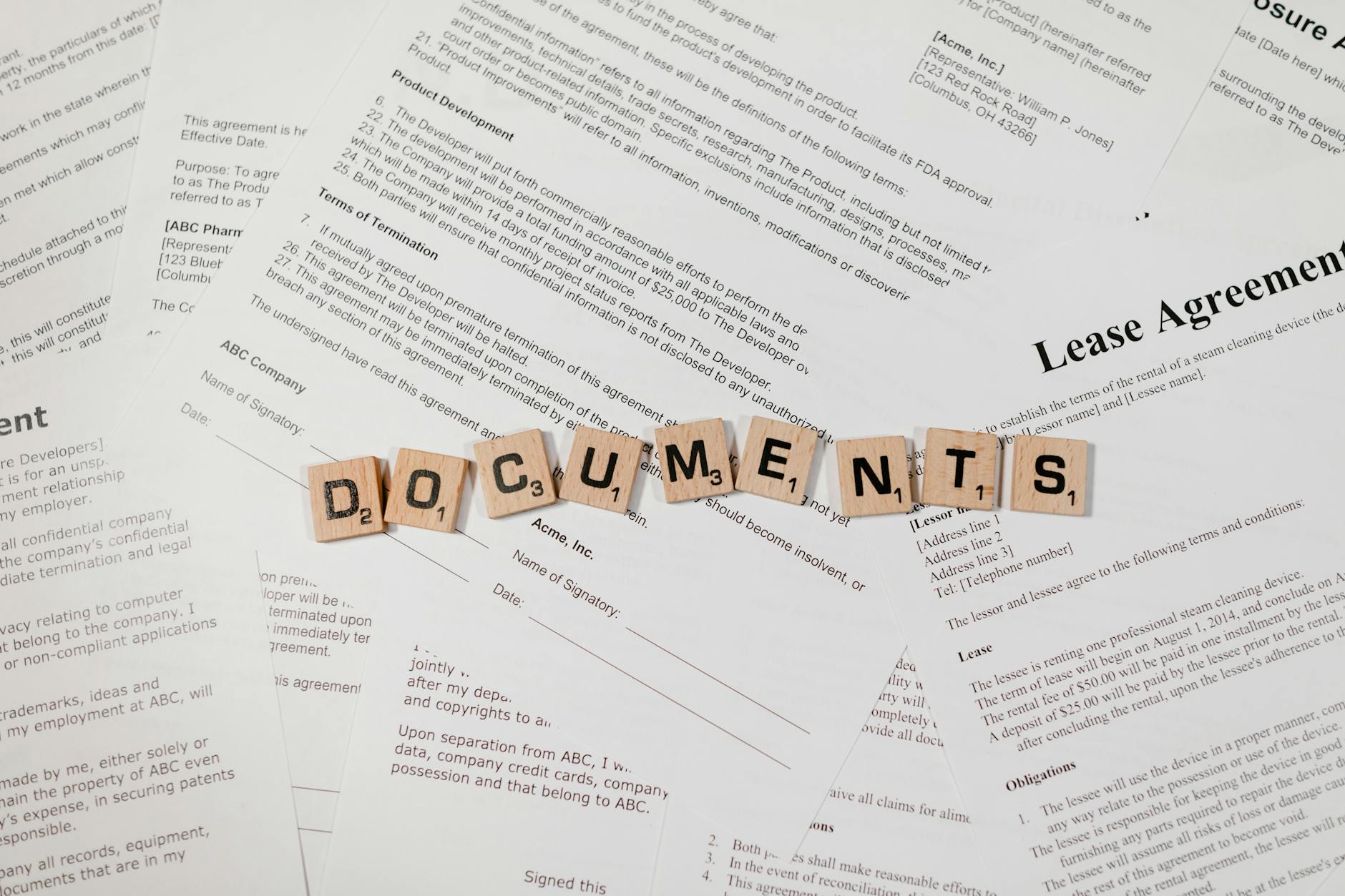
Top view of scrabble tiles spelling 'DOCUMENTS' on various contracts and agreements.Photo: RDNE Stock project / Pexels

Navigating Nonprofit Compliance Requirements US

Unlock peace of mind and operational excellence by understanding the critical compliance landscape for US nonprofits.

Start Your Compliance Journey

Key Takeaways

  • ✓ Nonprofit compliance is multi-layered, involving federal, state, and sometimes local regulations.
  • ✓ The IRS is the primary federal regulator, requiring annual Form 990 filings based on gross receipts.
  • ✓ State-level compliance includes registration, annual reports, and charitable solicitation permits.
  • ✓ Maintaining 501(c)(3) status requires adherence to specific operational and reporting standards.
  • ✓ Failure to comply can result in fines, loss of tax-exempt status, and damage to reputation.

How It Works

1
Understand Your Foundations

Begin by confirming your organization's specific tax-exempt status (e.g., 501(c)(3)) and the state in which it is incorporated. This forms the bedrock of your compliance obligations.

2
Identify Federal Obligations

Determine which IRS Form 990 series is applicable based on your organization's gross receipts and assets. Also, consider payroll taxes if you have employees and any specific federal grant requirements.

3
Map State-Specific Requirements

Research and register for all necessary state-level compliance, including annual reports, charitable solicitation registrations in every state where you solicit, and sales tax exemptions. This varies significantly by state.

4
Implement Ongoing Monitoring

Establish internal processes, calendars, and responsible parties for continuous compliance monitoring and timely filing. Regular reviews and updates are crucial to staying compliant.

Understanding Federal Nonprofit Regulations and IRS Compliance

1040 tax form with colored pencils and paperclip on green background.Photo: Nataliya Vaitkevich / Pexels
For any organization operating as a nonprofit in the United States, a foundational understanding of federal regulations, particularly those enforced by the Internal Revenue Service (IRS), is paramount. The IRS grants and oversees the tax-exempt status that defines a nonprofit. The most common designation is 501(c)(3), which applies to public charities, private foundations, and other organizations engaged in religious, educational, charitable, scientific, or literary purposes. Achieving and maintaining this status is a continuous commitment, not a one-time event. The journey begins with the initial application for tax-exempt status, typically Form 1023 for 501(c)(3) organizations. This extensive application requires detailed information about the organization's purpose, activities, financial data, and governing structure. It's a critical step that sets the stage for all future federal compliance. Once approved, the IRS issues a determination letter, formally recognizing the organization's tax-exempt status. However, obtaining the 501(c)(3) status is just the beginning. The cornerstone of ongoing federal compliance for most nonprofits is the annual information return, the Form 990 series. The specific form an organization must file depends on its gross receipts and total assets. * **Form 990-N (e-Postcard):** For organizations with gross receipts normally $50,000 or less. * **Form 990-EZ:** For organizations with gross receipts less than $200,000 and total assets less than $500,000. * **Form 990:** For organizations with gross receipts equal to or greater than $200,000 or total assets equal to or greater than $500,000. * **Form 990-PF:** For private foundations, regardless of income. These forms provide the IRS and the public with crucial information about the nonprofit's finances, governance, and activities. They are due by the 15th day of the 5th month after the organization's fiscal year ends. Failure to file on time or for three consecutive years can lead to significant penalties, including the automatic revocation of tax-exempt status, a catastrophic outcome for any nonprofit. Beyond the annual filings, nonprofits must also adhere to strict rules regarding lobbying and political campaign activities. While some lobbying is permissible within certain limits (especially for public charities), direct or indirect participation in political campaigns on behalf of or in opposition to any candidate for public office is strictly prohibited. Violations can jeopardize tax-exempt status. Furthermore, if a nonprofit has employees, it must comply with federal payroll tax obligations, including withholding income tax, Social Security, and Medicare taxes, and filing various employment tax forms (e.g., Form 941, Form W-2). Understanding and managing these federal nonprofit compliance requirements is fundamental to an organization's long-term viability and mission fulfillment. It requires diligent record-keeping, accurate financial reporting, and a proactive approach to regulatory changes. Organizations should consider professional assistance from accountants or lawyers specializing in nonprofit law to ensure all federal obligations are met.

Navigating State-Specific Nonprofit Compliance Requirements
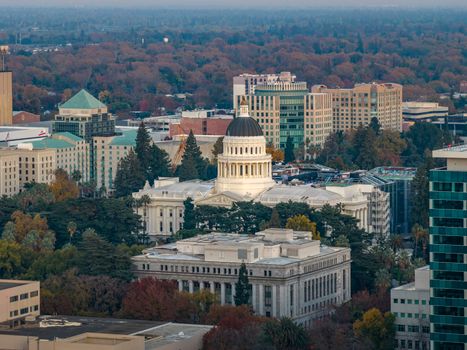
Stunning aerial view of the iconic California State Capitol in Sacramento surrounded by cityscape.Photo: Stephen Leonardi / Pexels
While federal compliance sets a baseline, state-level regulations introduce a complex layer of additional requirements that nonprofits must meticulously manage. These obligations vary significantly from state to state, making it crucial for organizations to understand the specific laws governing their state of incorporation and any other states in which they operate or solicit donations. The principle of 'where you solicit, you must register' is a key driver of multi-state compliance. One of the primary state requirements is the annual report, often filed with the Secretary of State or a similar government agency. This report typically confirms the organization's legal name, registered agent, principal address, and sometimes lists officers and directors. Its purpose is to ensure the state has up-to-date contact information for the organization and to confirm its continued existence as a legally recognized entity. Missing these annual filings can lead to administrative dissolution, meaning the state revokes the organization's corporate status, which can then jeopardize its federal tax-exempt status. Charitable solicitation registration is another major state-level concern. Most states require nonprofits to register with their Attorney General's office or a similar state charity official before soliciting donations from residents within that state. This applies whether the solicitation is direct mail, online, through social media, or via fundraising events. The registration process often involves submitting copies of the IRS Form 990, financial statements, and a copy of the organization's bylaws and articles of incorporation. Many states also require annual renewal of these registrations. The rise of online fundraising has complicated this area, as a nonprofit based in one state can inadvertently solicit donations from residents in all 50 states, potentially triggering registration requirements across the country. Specialized services and legal counsel are often employed to manage this intricate web of multi-state charitable solicitation compliance. Beyond annual reports and charitable solicitation, states may impose other specific compliance requirements. For instance, some states require sales tax exemptions to be applied for and renewed periodically, even for tax-exempt organizations. Others may have specific rules regarding property tax exemptions, which often depend on the nature of the property and its use in furtherance of the nonprofit's mission. Employment laws, including minimum wage, workers' compensation, and unemployment insurance, also fall under state jurisdiction and must be adhered to if the nonprofit has employees. Some states also have specific laws governing raffles, bingo, and other forms of gaming if used for fundraising. Furthermore, depending on the nature of the nonprofit's activities, it may be subject to licensing and permitting requirements at the state or even local level. For example, organizations operating childcare facilities, healthcare services, or educational programs may need specific state licenses. Environmental regulations, health codes, and fire safety standards are also areas where state and local compliance can be critical. The sheer volume and diversity of these state-specific obligations necessitate a comprehensive compliance strategy, often involving state-specific legal counsel or dedicated compliance software to track deadlines and requirements effectively. Ignoring these state mandates can lead to penalties, fines, suspension of fundraising abilities, and ultimately, loss of the ability to operate legally within that state.

Essential Internal Governance and Operational Compliance for Nonprofits

A multicultural team brainstorming and collaborating during a business meeting.Photo: Christina Morillo / Pexels
Effective internal governance and robust operational practices are not merely best practices; they are critical components of nonprofit compliance requirements in the US. A well-structured governance framework ensures accountability, transparency, and adherence to the organization's mission and legal obligations. At the heart of this is the board of directors, which holds the ultimate legal and fiduciary responsibility for the organization. Board members must understand their duties of care, loyalty, and obedience, ensuring that decisions are made in the best interest of the nonprofit, its beneficiaries, and in accordance with its founding documents and applicable laws. Key governance documents, such as the articles of incorporation and bylaws, form the legal blueprint of the organization. These documents outline the nonprofit's purpose, membership structure (if any), board composition, meeting procedures, and decision-making processes. It is crucial that these documents are up-to-date, accurately reflect current operations, and are followed rigorously. Any significant changes to the organization's purpose, structure, or name often require amendments to these documents, which then must be filed with the appropriate state authorities. Failure to adhere to one's own bylaws can be a red flag for regulators and can even lead to internal disputes or legal challenges. Financial accountability is another cornerstone of operational compliance. Nonprofits are stewards of public trust and donor funds, necessitating meticulous record-keeping and transparent financial reporting. This includes maintaining accurate accounting records, implementing strong internal controls to prevent fraud and mismanagement, and undergoing regular financial audits or reviews, especially for larger organizations or those receiving significant government funding. The IRS Form 990, as discussed earlier, requires detailed financial information, and the underlying data must be auditable and verifiable. Beyond the IRS, many state charitable solicitation laws also require financial disclosures or independent audits as part of their annual renewal processes. Conflict of interest policies are vital for maintaining integrity and avoiding situations where personal interests could improperly influence organizational decisions. A robust policy should require board members and key employees to disclose potential conflicts and recuse themselves from discussions or votes where such conflicts exist. This transparency protects the organization from accusations of self-dealing or undue private benefit, which are serious violations of tax-exempt status. Similarly, whistleblower policies are essential for creating a safe environment where concerns about unethical or illegal activities can be reported without fear of retaliation, helping to uncover and address issues before they escalate into major compliance problems. Nonprofit organizations must also ensure compliance with various employment laws, beyond just payroll taxes. This includes adherence to federal laws like the Fair Labor Standards Act (FLSA) regarding minimum wage and overtime, the Americans with Disabilities Act (ADA), and Title VII of the Civil Rights Act concerning anti-discrimination. State and local employment laws further add to this complexity, covering aspects like paid sick leave, family leave, and specific hiring practices. Developing clear human resource policies, providing regular training to staff and board members on compliance matters, and establishing a culture of ethical conduct are all indispensable elements of maintaining sound internal governance and operational compliance. This proactive approach not only helps avoid legal pitfalls but also builds public trust and strengthens the organization's ability to achieve its mission effectively and sustainably.

Common Compliance Pitfalls and Best Practices for US Nonprofits

Focused volunteer in gloves sorting donation supplies in a community center.Photo: Gustavo Fring / Pexels
Despite the best intentions, nonprofits frequently encounter common compliance pitfalls that can lead to severe consequences. Recognizing these traps and implementing proactive best practices can significantly mitigate risk. One of the most prevalent errors is the failure to file annual reports or renewals on time, whether with the IRS (Form 990 series) or state agencies (annual reports, charitable solicitation renewals). These deadlines are non-negotiable, and missing them can result in late fees, automatic revocation of tax-exempt status, or administrative dissolution by the state. **Common Pitfalls:** * **Ignoring Multi-State Fundraising:** Many nonprofits, especially smaller ones, fail to register in all states where they solicit donations, even if online. This is a significant and growing area of enforcement. * **Inadequate Record-Keeping:** Poor financial records, lack of documentation for expenses, or insufficient substantiation for donor contributions can lead to issues during audits or IRS inquiries. * **Lack of Conflict of Interest Management:** Failing to identify and manage conflicts of interest can result in private inurement or private benefit, directly threatening tax-exempt status. * **Misunderstanding Lobbying vs. Political Activity:** Overstepping the bounds of permissible lobbying or engaging in prohibited political campaign activities can lead to severe penalties. * **Neglecting Board Oversight:** A disengaged or uninformed board of directors can inadvertently allow compliance issues to fester, as they are ultimately responsible for governance. * **Outdated Governing Documents:** Operating with articles of incorporation or bylaws that don't reflect current operations or legal requirements can create discrepancies and legal vulnerabilities. **Best Practices for Robust Compliance:** * **Create a Compliance Calendar:** Develop a comprehensive calendar that tracks all federal, state, and local filing deadlines. Assign responsibility for each filing and set internal reminders well in advance. * **Regular Board Education:** Provide ongoing training for board members on their fiduciary duties, compliance requirements, and the organization's mission and activities. * **Implement Strong Internal Controls:** Establish clear financial policies, segregation of duties, and regular financial reviews to prevent fraud and ensure accuracy. * **Professional Advisers:** Engage qualified legal counsel and CPAs specializing in nonprofit law and accounting. Their expertise is invaluable in navigating complex regulations. * **Review Governing Documents Annually:** Periodically review bylaws, articles, and key policies (e.g., conflict of interest, whistleblower) to ensure they are current and effective. * **Maintain Meticulous Records:** Keep organized and accessible records of all financial transactions, board minutes, donor information, and regulatory filings. * **Stay Informed:** Monitor legislative and regulatory changes at all levels of government that could impact your nonprofit. Subscribe to relevant newsletters and professional organizations. * **Conduct Internal Audits/Reviews:** Periodically conduct internal checks to ensure compliance with policies and procedures, identifying and addressing weaknesses before external scrutiny. Adopting these best practices transforms compliance from a reactive burden into a proactive strategy that safeguards the nonprofit's mission and future.

Comparison

FeatureIRS Form 990State Annual ReportCharitable Solicitation RegistrationPayroll Taxes
Governing BodyIRSState Secretary of StateState Attorney GeneralIRS/State Revenue Dept.
FrequencyAnnuallyAnnually (usually)Annually (most states)Quarterly/Annually
PurposeFinancial TransparencyLegal Status ConfirmationDonor Protection/TransparencyEmployee Tax Withholding
Consequences of Non-ComplianceLoss of 501(c)(3) status, finesAdministrative DissolutionCease Fundraising, FinesPenalties, Fines, Legal Action
Key DocumentsForm 990 SeriesAnnual Report FormRegistration Application, 990Forms 941, W-2, W-3

What Our Readers Say

5 ★★★★★

"This guide on nonprofit compliance requirements US is a lifesaver! It clarified so many ambiguities for our small arts organization, especially regarding multi-state fundraising rules. We now have a clear roadmap to stay compliant."

5 ★★★★★

"As a new board member, the breakdown of federal vs. state nonprofit compliance requirements US was incredibly helpful. It made the daunting task of understanding our obligations much more manageable and actionable."

5 ★★★★★

"Our research institute faced significant challenges with donor reporting across various states. Following the advice in this article regarding nonprofit compliance requirements US, we streamlined our registration process and avoided potential fines."

4 ★★★★☆

"The content is extremely thorough, though the sheer volume of information on nonprofit compliance requirements US can be a bit overwhelming for a first-timer. Still, it's an indispensable resource for anyone serious about nonprofit governance."

5 ★★★★★

"We used this guide to structure our internal compliance training. The sections on common pitfalls and best practices for nonprofit compliance requirements US were particularly effective in helping our team identify and address risks."

Frequently Asked Questions

What are the most crucial nonprofit compliance requirements US?
The most crucial requirements include maintaining federal tax-exempt status by filing the appropriate IRS Form 990 annually, complying with state annual report filings to maintain corporate good standing, and registering for charitable solicitation in every state where your organization raises funds. Payroll tax obligations are also critical if you have employees.
Can a small nonprofit ignore state charitable solicitation registrations?
No, a small nonprofit cannot ignore state charitable solicitation registrations. Even online fundraising can trigger registration requirements in multiple states. While some states have de minimis exceptions, it's a complex area, and non-compliance can lead to cease and desist orders, fines, and reputational damage. It's best to consult with an expert or use a multi-state registration service.
How often do nonprofits need to file with the IRS?
Nonprofits generally need to file an annual information return with the IRS, typically a form from the 990 series (990-N, 990-EZ, 990, or 990-PF). The specific form depends on the organization's gross receipts and assets. These are due by the 15th day of the 5th month after the end of the organization's fiscal year.
What is the cost of non-compliance for a nonprofit?
The cost of non-compliance can range from monetary penalties and fines levied by the IRS or state agencies, to the automatic revocation of tax-exempt status, which can be devastating. It can also lead to reputational damage, loss of donor trust, and legal challenges, ultimately hindering the organization's ability to fulfill its mission.
How do federal and state nonprofit compliance requirements US differ?
Federal requirements, primarily from the IRS, focus on maintaining tax-exempt status, financial transparency (Form 990), and adherence to rules regarding lobbying and political activities. State requirements are broader, covering corporate registration, annual reports, charitable solicitation registration, and often state-specific labor laws, sales tax exemptions, and professional licensing.
Who is ultimately responsible for nonprofit compliance in a US organization?
While staff and management play crucial roles in execution, the ultimate legal and fiduciary responsibility for nonprofit compliance rests with the organization's board of directors. The board is responsible for ensuring the organization operates legally, ethically, and in accordance with its mission and governing documents.
Are there specific rules for private foundations regarding compliance?
Yes, private foundations have more stringent compliance requirements than public charities. They must file Form 990-PF annually regardless of income, are subject to excise taxes on investment income, and have specific rules regarding self-dealing, minimum distribution requirements, excess business holdings, jeopardy investments, and taxable expenditures.
What future trends might impact nonprofit compliance requirements US?
Future trends may include increased scrutiny on executive compensation, greater transparency requirements for donor-advised funds, evolving regulations around cryptocurrency donations, and continued expansion and harmonization of multi-state charitable solicitation laws, particularly concerning digital fundraising. Data privacy regulations (like CCPA or potential federal laws) could also impact how nonprofits handle donor information.

Mastering nonprofit compliance requirements US is not just about avoiding penalties; it's about safeguarding your mission and building a foundation of trust. Take proactive steps today to ensure your organization's long-term success and impact. Explore resources, consult experts, and establish robust internal processes to navigate the complex regulatory landscape with confidence.

Topics: nonprofit compliance requirements USnonprofit regulationsIRS compliance nonprofitstate nonprofit lawsnonprofit legal obligations
Leo List
Brampton weed
Adultwork