Mastering Nonprofit Grant Writing Tips for Funding Success
August 24, 2026 14 min read 2,786 words
Transform your grant applications into winning proposals and secure the funding your nonprofit needs to thrive.
Start Your Grant Journey
Understanding the Landscape of Nonprofit Grant Funding
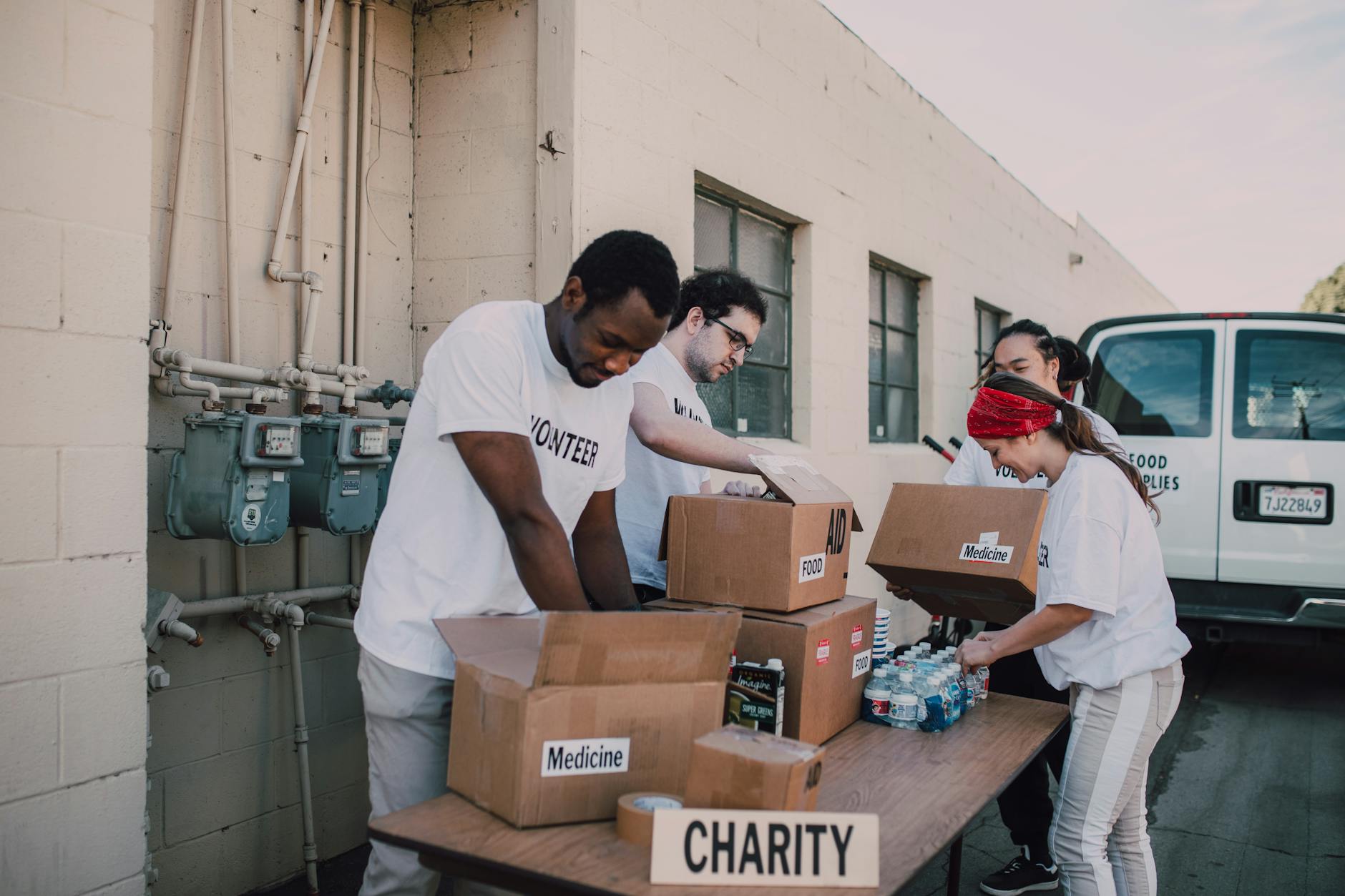
 Photo: https://kaboompics.com/ / Pexels
Navigating the world of nonprofit grant funding can feel like a complex maze, but with the right approach and understanding, it becomes a navigable path to securing essential resources. Grants are not simply free money; they are strategic investments made by foundations, corporations, and government agencies into projects and organizations they believe will create positive change aligned with their own philanthropic goals. For nonprofits, grants represent a vital revenue stream, often covering program costs, operational expenses, or capital improvements that direct donations might not fully support. The sheer volume of available grants, however, necessitates a highly strategic and meticulous approach. Without a clear understanding of the grant landscape, many nonprofits waste valuable time and resources pursuing opportunities that are not a good fit, leading to frustration and burnout. This section will demystify the grant environment, helping you understand where to look, what to look for, and how to position your organization for success.
First, it's crucial to differentiate between the primary types of grantmakers: private foundations, corporate foundations and giving programs, and government agencies. Each has distinct priorities, application processes, and reporting requirements. Private foundations, often established by individuals or families, typically focus on specific causes like education, health, or environmental conservation. Corporate grants, on the other hand, often tie into a company's social responsibility initiatives, sometimes prioritizing communities where they operate or causes relevant to their industry. Government grants, usually the most complex, are highly regulated and often address broad societal issues or specific public services. Understanding these distinctions is your first step in identifying appropriate funding sources. You wouldn't apply for a health grant from an environmental foundation, just as you wouldn't seek a local community grant from a federal agency unless your project aligns perfectly with their specific national directives. This foundational knowledge allows you to focus your efforts efficiently.
Beyond understanding the types of funders, recognizing the competitive nature of grant seeking is paramount. Funders receive hundreds, if not thousands, of applications for every grant cycle. Your proposal needs to stand out, not just in its merit but also in its clarity, completeness, and compelling narrative. This is where meticulous planning and strategic positioning come into play. It’s not enough to have a great mission; you must articulate how your mission aligns with the funder's vision and how your project will achieve measurable, impactful outcomes. Many successful grant applications are the result of long-term relationship building, demonstrating a consistent track record, and a deep understanding of the funder's priorities, sometimes even before a specific Request for Proposal (RFP) is announced. Leveraging resources like the Foundation Directory Online or grants.gov can help you identify potential funders and understand their giving patterns. Remember, securing grants is a marathon, not a sprint, requiring patience, persistence, and continuous learning. For more general guidance on strengthening your organization, explore resources on
nonprofit management best practices.
Crafting a Winning Grant Proposal: Structure and Content
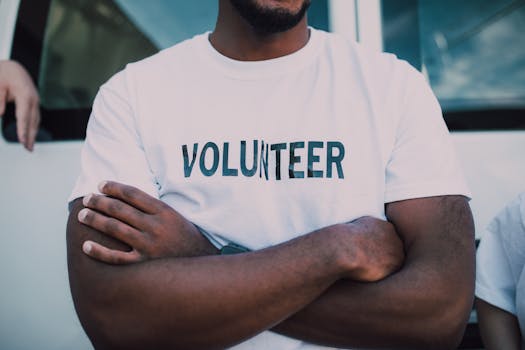 Photo: RDNE Stock project / Pexels
The grant proposal is your organization's voice, its advocate, and its blueprint for impact. Crafting a winning proposal is an art form, blending persuasive writing with rigorous data, all while adhering to strict guidelines. A well-structured proposal guides the funder through your project logically, building a compelling case for support. While specific requirements vary, most grant proposals share common sections designed to provide a comprehensive overview of your organization and its proposed work. Mastering each of these components is critical to conveying your message effectively and increasing your chances of securing funding.
Typically, a grant proposal begins with an Executive Summary. This is arguably the most crucial section, often the only part a busy reviewer reads initially. It must be a concise, powerful distillation of your entire proposal, summarizing the problem, your proposed solution, the expected impact, and the amount requested. It should hook the reader immediately and compel them to delve deeper. Following the Executive Summary, the Statement of Need (or Problem Statement) details the specific issue your project addresses, backed by compelling data, statistics, and anecdotal evidence. This section answers the 'why' – why is this project necessary, and what urgent problem does it solve in your community or target population? Avoid jargon and ensure the need is clearly articulated and resonates with the funder's priorities. This is where you establish the urgency and relevance of your work.
The Project Description (or Program Design) then outlines your proposed solution. This section describes what you will do, how you will do it, and for whom. It includes your project's goals, objectives (which should be SMART: Specific, Measurable, Achievable, Relevant, and Time-bound), activities, and timeline. Clarity and detail are paramount here; reviewers need to understand exactly how your project will operate. The Evaluation Plan details how you will measure your success. How will you know if your project is effective? This section should outline both process evaluation (how well the project is implemented) and outcome evaluation (what changes or impacts result from the project). Funders are increasingly focused on measurable outcomes and impact, so a robust evaluation plan is non-negotiable.
Finally, the Budget and Organizational Capacity sections round out the core of the proposal. The budget must be detailed, realistic, and directly tied to the project activities. Every line item should be justified, demonstrating fiscal responsibility and transparency. The Organizational Capacity section highlights your nonprofit's ability to successfully execute the project, showcasing your staff's expertise, past successes, and relevant experience. Include information about your board, key personnel, and any community partnerships. Remember to tailor each section to the specific funder's interests and guidelines, using their preferred terminology where appropriate. A generic proposal is a losing proposal.
Strategic Funder Research and Relationship Building for Nonprofits
 Photo: RDNE Stock project / Pexels
Successful grant acquisition extends far beyond simply writing a compelling proposal; it hinges on strategic funder research and, crucially, the cultivation of meaningful relationships. Many nonprofits mistakenly view grant seeking as a transactional process—submit an application, await a decision. In reality, it's a relational endeavor. Funders are investing in people and missions they trust and understand. Therefore, dedicating significant time to identifying the right funders and building connections with them is perhaps the most impactful of all nonprofit grant writing tips.
Funder research should be meticulous and ongoing. Start by identifying foundations and corporations whose mission, geographic focus, and funding priorities align seamlessly with your organization's work. Tools like Foundation Directory Online (FDO), Candid's GuideStar, and government databases such as grants.gov are invaluable resources. Look beyond the surface; don't just note what they fund, but *how* they fund. Do they prefer general operating support or specific projects? What is their typical grant size? Do they have a history of funding organizations like yours? Examine their past grantees, annual reports, and 990-PF tax forms (for private foundations) to glean insights into their giving patterns and strategic interests. A mismatch in priorities is the most common reason for rejection, so thorough research prevents wasted effort.
Once you've identified potential funders, the next step is relationship building. This doesn't mean cold-calling or emailing every program officer you find. Instead, it involves a thoughtful, multi-faceted approach. Begin by exploring their website for any stated preferences on initial contact. Some prefer a Letter of Inquiry (LOI), others an introductory phone call, while some explicitly state 'no unsolicited proposals.' Respect these guidelines. If an LOI is requested, craft it carefully, adhering to the funder's specifications, as it serves as your initial introduction and a test of your ability to follow instructions.
Attend virtual or in-person workshops, webinars, or conferences hosted by potential funders or within your sector where funders might be present. These events offer invaluable opportunities for informal networking and learning about their current initiatives. When appropriate, consider sending a well-researched, personalized email introducing your organization and expressing interest in their work, without immediately asking for money. The goal is to open a dialogue, to learn more about their interests, and for them to learn about your impactful work. This initial outreach should be about shared vision, not a direct ask. If a program officer is receptive, a brief informational call or meeting can further solidify the relationship. These conversations allow you to refine your understanding of their priorities and even receive informal feedback on whether your project might be a good fit. Remember, a funder is more likely to invest in an organization they know and trust. Cultivating these relationships over time can significantly increase your chances of not only securing an initial grant but also fostering long-term partnerships. For more insights on financial sustainability, consider exploring strategies for
diversifying nonprofit revenue streams.
Common Grant Writing Mistakes and How to Avoid Them
Even with a strong mission and a compelling project, common pitfalls can derail a grant application. Avoiding these mistakes is just as crucial as implementing best practices. Being aware of these traps can significantly improve your success rate and save your organization valuable time and resources.
Here are some of the most frequent grant writing mistakes and how to steer clear of them:
* **Not Following Instructions:** This is perhaps the most common and easily avoidable error. Funders often have very specific guidelines regarding page limits, font sizes, attachment formats, and content requirements. Failing to adhere to these instructions immediately signals a lack of attention to detail and respect for the funder's process. Always read the RFP thoroughly, multiple times, and create a checklist to ensure every requirement is met.
* **Lack of Alignment with Funder Priorities:** As discussed, a generic proposal is a losing proposal. Submitting an application to a funder whose mission, geographic focus, or funding areas do not align with your project is a waste of everyone's time. Thorough research to ensure a strong mission match is non-negotiable.
* **Vague or Unsubstantiated Statement of Need:** Simply stating that a problem exists isn't enough. Your statement of need must be backed by credible data, statistics, and compelling qualitative evidence. Without this, your project appears less urgent and less impactful.
* **Unclear Objectives and Evaluation Plan:** Funders want to see measurable impact. Vague objectives like 'we will help people' are insufficient. Objectives must be SMART (Specific, Measurable, Achievable, Relevant, Time-bound). Similarly, a fuzzy evaluation plan that doesn't clearly articulate how success will be measured will raise red flags.
* **Poorly Written or Edited Content:** Spelling errors, grammatical mistakes, and convoluted sentences undermine your professionalism and credibility. Proofread meticulously, and ideally, have someone unfamiliar with the project review the proposal for clarity and coherence. A fresh pair of eyes can catch errors you've overlooked.
* **Unrealistic or Unjustified Budget:** The budget must be realistic, detailed, and directly correlate with the activities outlined in your project description. Every line item should be justified. An inflated budget or one that doesn't make sense in the context of the project will lead to rejection.
* **Last-Minute Submission:** Rushing an application at the eleventh hour significantly increases the likelihood of errors, missing attachments, or technical glitches. Start early, allocate ample time for writing, review, and submission. Aim to submit at least a few days before the deadline.
* **Not Building Relationships:** Relying solely on cold applications without any prior engagement with the funder can significantly lower your chances. As mentioned, strategic outreach and relationship building can provide invaluable insights and build trust.
By proactively addressing these common pitfalls, your nonprofit can elevate its grant writing game and present itself as a professional, prepared, and impactful organization worthy of investment.