Find the Best Nonprofit CRM Software for Your Mission
August 22, 2026 18 min read 3,560 words
Uncover powerful CRM solutions designed to amplify your nonprofit's impact, streamline operations, and deepen donor relationships.
Explore Top Solutions
Understanding Nonprofit CRM Software and Its Core Benefits
 Photo: RDNE Stock project / Pexels
In the dynamic world of philanthropy, managing relationships is paramount. Nonprofits rely on strong connections with donors, volunteers, beneficiaries, and advocates to achieve their mission. This is precisely where the **best nonprofit CRM software** comes into play. A CRM, or Constituent Relationship Management system, is not just a database; it's a strategic tool designed to help organizations manage and analyze interactions with their constituents throughout the entire lifecycle. For nonprofits, this means a specialized platform tailored to the unique needs of fundraising, donor stewardship, program delivery, and volunteer coordination.
At its core, nonprofit CRM software centralizes all constituent data. Imagine a single repository where every interaction – a donation, a volunteer shift, an event registration, an email opened, a social media comment – is meticulously recorded and easily accessible. This eliminates the siloed information that often plagues organizations using disparate spreadsheets or generic business CRMs. By consolidating this data, nonprofits gain a 360-degree view of each constituent, allowing them to personalize communications, identify potential major donors, and understand engagement patterns like never before. This holistic perspective is crucial for building lasting relationships and maximizing impact.
Beyond data centralization, the benefits extend significantly. One of the most critical advantages is enhanced fundraising efficiency. A robust nonprofit CRM provides tools for campaign management, donation tracking, grant management, and pledge fulfillment. It automates repetitive tasks, such as sending thank-you letters or recurring donation reminders, freeing up valuable staff time to focus on strategic initiatives and direct donor engagement. With advanced reporting capabilities, organizations can analyze campaign performance, identify fundraising trends, and make data-driven decisions to optimize future efforts. This directly translates to increased revenue and a more sustainable financial future for the organization.
Another profound benefit lies in improved donor stewardship and retention. It's a well-known fact that retaining existing donors is far more cost-effective than acquiring new ones. The best nonprofit CRM software empowers organizations to cultivate deeper relationships by segmenting donors based on giving history, interests, or engagement levels. This allows for highly targeted and relevant communications, making donors feel valued and understood. Imagine sending a personalized impact report to a donor who specifically supports environmental initiatives, rather than a generic newsletter. Such tailored approaches foster loyalty and encourage continued support. Furthermore, CRMs can help identify at-risk donors, allowing proactive outreach to re-engage them before they lapse.
Finally, the operational efficiencies gained from a specialized CRM are immense. From managing volunteer schedules and tracking their hours to coordinating event logistics and communicating with attendees, the right software streamlines numerous administrative processes. This not only reduces the burden on staff but also minimizes errors and ensures a smoother, more professional operation. The ability to integrate with other essential nonprofit tools, such as accounting software or email marketing platforms, further amplifies these efficiencies, creating a cohesive and powerful technological ecosystem. Ultimately, by investing in the **best nonprofit CRM software**, organizations are investing in their capacity to fulfill their mission more effectively and sustainably. For more insights on general
nonprofit strategies, consider exploring broader operational best practices.
Key Features to Look for in Nonprofit CRM Software
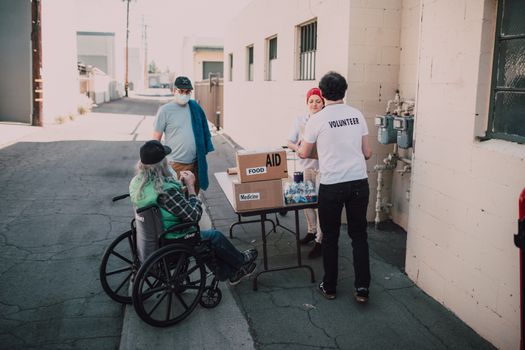 Photo: RDNE Stock project / Pexels
When embarking on the search for the **best nonprofit CRM software**, it’s crucial to understand that not all CRMs are created equal. While many general business CRMs exist, nonprofit organizations have distinct needs that necessitate specialized features. Focusing on these core functionalities will ensure you select a platform that truly empowers your mission rather than simply manages contacts. The right set of features can transform your operations, deepen donor relationships, and ultimately, increase your impact.
**1. Robust Donor Management and Segmentation:** This is arguably the most critical feature. Your CRM should offer comprehensive donor profiles, including contact information, giving history (one-time, recurring, in-kind), pledges, communication preferences, and relationships with other constituents. Advanced segmentation capabilities are vital, allowing you to categorize donors by various criteria (e.g., major donor, first-time donor, event attendee, volunteer) for targeted outreach. The ability to track donor journeys and understand their engagement patterns is paramount for effective stewardship.
**2. Integrated Fundraising Tools:** A top-tier nonprofit CRM will seamlessly integrate various fundraising functionalities. Look for features that support online donation forms, peer-to-peer fundraising campaigns, event registration and management, and pledge management. The system should be able to process donations securely and efficiently, track campaign performance in real-time, and generate reports on fundraising metrics. Grant management features, including tracking applications, deadlines, and reporting requirements, are also a significant advantage for many organizations.
**3. Communication and Engagement Capabilities:** Effective communication is the lifeblood of donor relations. The **best nonprofit CRM software** will include integrated email marketing tools, allowing for personalized mass emails, newsletters, and automated communications (e.g., welcome series, thank-you messages). It should also track all communication history across various channels, including emails, phone calls, and even social media interactions, providing a complete picture of engagement. Some advanced CRMs also offer direct mail integration capabilities.
**4. Volunteer Management:** For organizations heavily reliant on volunteers, a CRM that can manage volunteer profiles, track their hours, assign roles, schedule shifts, and communicate with them effectively is invaluable. This reduces administrative overhead and ensures volunteers are deployed optimally, enhancing their experience and your program delivery.
**5. Reporting and Analytics:** Data-driven decision-making is essential for nonprofit growth. The CRM should offer powerful, customizable reporting tools to track key performance indicators (KPIs) such as donor retention rates, average gift size, campaign ROI, and fundraising trends. Visual dashboards provide at-a-glance insights, helping you identify opportunities and challenges quickly. The ability to export data for further analysis is also important.
**6. Integrations and Scalability:** Your CRM shouldn't operate in a vacuum. Look for platforms that offer integrations with other essential tools you use, such as accounting software (e.g., QuickBooks), payment processors (e.g., Stripe, PayPal), and website content management systems. This ensures data consistency and reduces manual data entry. Furthermore, consider the scalability of the software; can it grow with your organization as your donor base and programs expand? Cloud-based solutions generally offer better scalability and accessibility.
**7. User-Friendliness and Support:** Even the most feature-rich software is useless if your team can't use it effectively. Prioritize a system with an intuitive interface and a reasonable learning curve. Excellent customer support, including training resources, documentation, and responsive technical assistance, is non-negotiable. A strong support system ensures your team can fully leverage the software's capabilities and resolve issues quickly.
By carefully evaluating these key features, nonprofits can make an informed decision and select a CRM that not only meets their current needs but also supports their long-term growth and mission fulfillment.
Top Contenders for Best Nonprofit CRM Software in 2024
 Photo: cottonbro studio / Pexels
Navigating the crowded market of CRM solutions to find the **best nonprofit CRM software** can be a daunting task. To simplify your search, we've identified some of the top contenders that consistently receive high marks for their comprehensive features, user-friendliness, and dedication to serving the nonprofit sector. Each of these platforms brings unique strengths, catering to different organizational sizes, budgets, and specific needs. Understanding their core offerings will help you pinpoint the best fit for your mission.
**1. Blackbaud Raiser's Edge NXT:** Often considered the industry standard for large and established nonprofits, Raiser's Edge NXT offers an incredibly comprehensive suite of tools. It excels in advanced donor management, sophisticated fundraising analytics, grant management, and peer-to-peer fundraising. Its strength lies in its depth of features, allowing for highly nuanced constituent segmentation and robust reporting. While it comes with a higher price point and a steeper learning curve, its capabilities are unmatched for organizations with complex needs and significant fundraising operations. Blackbaud also offers other products like eTapestry for smaller nonprofits.
**2. Salesforce for Nonprofits (NPSP):** Salesforce is a giant in the CRM world, and its Nonprofit Success Pack (NPSP) is a highly customizable and powerful solution built on the robust Salesforce platform. NPSP is particularly appealing for nonprofits seeking a flexible, scalable solution that can integrate with a vast ecosystem of third-party apps. It offers excellent donor management, fundraising campaign tracking, program management, and reporting. While the initial setup and customization might require technical expertise (or a consultant), its extensibility means it can be tailored to almost any nonprofit's unique requirements, making it a strong contender for organizations of all sizes looking for growth potential. This platform is a great example of how adaptable technology can be for
diverse nonprofit operations.
**3. DonorPerfect:** A popular choice for small to medium-sized nonprofits, DonorPerfect strikes a good balance between comprehensive features and ease of use. It offers strong donor management, fundraising tools (including online giving forms and event management), and robust reporting. DonorPerfect is known for its intuitive interface, making it relatively quick for staff to learn and adopt. It also provides excellent customer support and a vibrant user community. Its integrated payment processing and fundraising pages make it a one-stop-shop for many organizations looking to streamline their development efforts without breaking the bank.
**4. Bloomerang:** Bloomerang stands out for its focus on donor retention and engagement. It offers a user-friendly interface with features designed to help nonprofits build lasting relationships. Key functionalities include donor engagement meters, wealth screening, email marketing, and comprehensive reporting that emphasizes donor lifetime value. Bloomerang’s approach is rooted in philanthropic best practices, guiding users to cultivate donors effectively. It's an excellent option for nonprofits that prioritize donor stewardship and are looking for a platform that simplifies complex donor data into actionable insights, particularly for those with a strong emphasis on individual giving.
**5. Little Green Light (LGL):** Little Green Light is a highly affordable and powerful CRM solution, particularly well-suited for small to medium-sized nonprofits and startups. It offers core functionalities like donor management, gift tracking, acknowledgments, event management, and email marketing. LGL is praised for its clean interface, straightforward setup, and excellent customer support. While it may not have the same depth of advanced features as some enterprise-level solutions, its comprehensive core offering and competitive pricing make it an outstanding value for organizations with tighter budgets looking for a reliable, no-frills CRM that covers all the essentials.
**6. NeonOne (NeonCRM):** NeonOne offers a suite of nonprofit tools, with NeonCRM as its central constituent management platform. It provides a comprehensive solution for donor management, fundraising, event registration, membership management, and even volunteer management. NeonCRM is known for its flexibility and ability to serve a wide range of nonprofit types, from arts organizations to advocacy groups. Its modular approach allows organizations to pick and choose the features they need, making it scalable. It also boasts strong integration capabilities and a user-friendly interface, making it a solid choice for growing nonprofits seeking an all-in-one solution.
When evaluating these top contenders, remember to consider your organization's specific needs, budget, existing tech stack, and the technical proficiency of your team. Request demos, try free trials if available, and don't hesitate to ask for references from similar organizations. The goal is to find the **best nonprofit CRM software** that aligns perfectly with your strategic objectives and empowers your team to make a greater impact.
Choosing the Right Nonprofit CRM: Tips and Common Mistakes to Avoid
 Photo: RDNE Stock project / Pexels
Selecting the **best nonprofit CRM software** is a significant investment, both in terms of time and resources. Making the right choice can transform your organization, while a misguided decision can lead to frustration, wasted money, and missed opportunities. To ensure you land on the perfect CRM for your mission, here are crucial tips to guide your process, alongside common pitfalls to steer clear of.
**Tips for a Successful CRM Selection:**
1. **Form a Cross-Functional Team:** Don't make this decision in a vacuum. Involve representatives from fundraising, programs, finance, communications, and even volunteers. Each department will have unique needs and perspectives, and their buy-in is critical for successful adoption. This collaborative approach ensures the chosen CRM addresses the diverse requirements of your entire organization.
2. **Conduct a Thorough Needs Assessment:** Before looking at any software, clearly define your organization's current challenges, desired outcomes, and essential features. What problems are you trying to solve? What processes do you want to automate or improve? Prioritize features as 'must-have,' 'nice-to-have,' and 'future-consideration.' This clarity will prevent you from being swayed by flashy but unnecessary functionalities.
3. **Set a Realistic Budget:** Beyond the initial licensing fees, factor in costs for implementation, data migration, training, ongoing support, and potential customization. A realistic budget ensures you're not blindsided by hidden expenses and helps narrow down options from the start.
4. **Prioritize User-Friendliness:** Even the most powerful CRM is ineffective if your staff finds it too complex or cumbersome to use. Opt for a system with an intuitive interface and a reasonable learning curve. Consider your team's technical proficiency and ensure the vendor offers comprehensive training and support.
5. **Evaluate Integration Capabilities:** Your CRM won't be your only software. Check for seamless integrations with your existing accounting software, email marketing platforms, website, and payment processors. This prevents data silos, reduces manual data entry, and creates a more efficient ecosystem.
6. **Test Drive Extensively (Demos & Trials):** Never commit without seeing the software in action with your own data, if possible. Request demos tailored to your specific use cases. Take advantage of free trials and have your core team members actively test the system. This hands-on experience is invaluable for identifying potential workflow issues or missing features.
7. **Consider Scalability and Future Growth:** Choose a CRM that can grow with your organization. Will it accommodate an increasing donor base, new programs, or expanded fundraising efforts? Cloud-based solutions often offer better scalability and flexibility for future needs.
**Common Mistakes to Avoid:**
1. **Choosing Based Solely on Price:** While budget is important, selecting the cheapest option without considering features, support, and scalability is a common pitfall. A low-cost solution that doesn't meet your needs will ultimately cost you more in lost efficiency and missed opportunities.
2. **Ignoring Data Migration Challenges:** Transferring existing data from spreadsheets or old systems can be complex. Underestimating the time, effort, and potential costs associated with data migration can derail your implementation. Ask vendors about their data migration services and best practices.
3. **Over-Customization:** While flexibility is good, excessive customization during implementation can lead to higher costs, longer timelines, and make future upgrades more difficult. Try to adapt your processes to the software's best practices where possible, rather than forcing the software to perfectly mimic your old, potentially inefficient, workflows.
4. **Neglecting Staff Training and Adoption:** A new CRM requires a learning curve. Failing to provide adequate training and ongoing support for your staff will lead to low adoption rates and wasted investment. Plan for comprehensive training sessions and designate internal champions to assist colleagues.
5. **Not Planning for Ongoing Support:** Software issues can arise. Ensure the vendor offers reliable and responsive customer support. Understand their support channels, response times, and available resources (knowledge base, webinars, community forums). Lack of support can quickly lead to frustration and hinder productivity.
By diligently following these tips and actively avoiding these common mistakes, your nonprofit can confidently select and implement the **best nonprofit CRM software**, setting the stage for enhanced donor relationships, streamlined operations, and amplified mission impact.
