Unlocking Your Potential: Benefits of Volunteering for a Nonprofit
benefits of volunteering for a nonprofit

Unlocking Your Potential: Benefits of Volunteering for a Nonprofit

Transform your life and community by embracing the invaluable advantages of dedicating your time to a nonprofit cause.

Find Your Cause Today

Key Takeaways

  • ✓ Volunteering improves mental and physical health by reducing stress and fostering purpose.
  • ✓ It's a powerful way to develop new skills and enhance your professional resume.
  • ✓ Building a strong network of like-minded individuals and community leaders is a significant advantage.
  • ✓ Directly contributes to solving critical societal issues and making a tangible difference.

How It Works

1
Identify Your Passions

Consider what causes resonate most with you, whether it's environmental protection, animal welfare, or social justice. Aligning with your values ensures a more fulfilling experience.

2
Research Local Nonprofits

Explore organizations in your community or those addressing issues you care about. Many nonprofits have websites detailing their mission, programs, and volunteer opportunities.

3
Connect and Inquire

Reach out to the nonprofit's volunteer coordinator to learn more about specific roles, time commitments, and any required training. Don't hesitate to ask questions to find the perfect fit.

4
Start Making a Difference

Begin your volunteering journey, embracing the opportunity to contribute your time and talents. Reflect on your experiences and the positive impact you're creating.

Enhancing Personal Growth and Well-being Through Volunteerism

Volunteering for a nonprofit extends far beyond the altruistic act of giving; it is a profound journey of self-discovery and personal enhancement. Numerous studies have consistently demonstrated a strong correlation between volunteer engagement and improved mental and physical health. When individuals dedicate their time and effort to a cause greater than themselves, they often experience a significant reduction in stress levels. The act of helping others shifts focus from personal anxieties, providing a sense of perspective and purpose that can be incredibly therapeutic. This mental uplift is often accompanied by a boost in self-esteem and confidence. Successfully contributing to a project, seeing the direct impact of one's efforts, and being appreciated by those you serve can instill a deep sense of accomplishment and worth. It affirms your capabilities and reminds you of your inherent value, fostering a positive self-image. Beyond mental well-being, the physical benefits are also noteworthy. Depending on the nature of the volunteer work, individuals may engage in activities that increase physical activity, from organizing events and distributing resources to participating in environmental cleanups. This active engagement can contribute to better cardiovascular health, increased mobility, and improved overall fitness, often without feeling like a chore because the motivation is rooted in a meaningful cause. Furthermore, volunteering combats feelings of isolation and loneliness, which are increasingly prevalent in modern society. It provides a natural avenue for social connection, introducing you to diverse groups of people who share similar values and a common goal. These shared experiences can forge strong bonds, leading to new friendships and a robust support network. The sense of belonging to a community, working collaboratively towards a shared vision, is a powerful antidote to social detachment. It creates opportunities for meaningful interactions, discussions, and celebrations of collective achievements, enriching your social life in ways that purely transactional relationships often cannot. This social integration is vital for mental resilience and overall life satisfaction, making the community impact of volunteering a two-way street that benefits both the recipient and the giver. The regular engagement and routine that volunteering can provide also adds structure to one's week, which can be particularly beneficial for retirees or those seeking more order and purpose in their daily lives. It’s an investment in your own well-being that pays dividends in happiness, health, and a profound sense of fulfillment.

Unlocking Professional Development and Career Advancement Opportunities

The benefits of volunteering for a nonprofit extend significantly into the professional realm, serving as a powerful catalyst for career development and advancement. In today's competitive job market, employers increasingly value candidates who demonstrate initiative, a strong work ethic, and a commitment to community. Volunteering provides a unique platform to acquire and refine a wide array of transferable skills that are highly sought after across various industries. For instance, managing a fundraising campaign can hone your project management, budgeting, and marketing skills. Organizing a community event can develop your leadership, coordination, and problem-solving abilities. Working directly with beneficiaries might enhance your communication, empathy, and intercultural competence. These are not just theoretical skills; they are practical, hands-on experiences that you can confidently articulate in job interviews and on your resume, providing concrete examples of your capabilities. Furthermore, volunteering offers an unparalleled opportunity for networking. You'll interact with a diverse group of individuals, including fellow volunteers from various professional backgrounds, nonprofit staff, community leaders, and even corporate sponsors. These connections can open doors to mentorship opportunities, job leads, and valuable professional advice. Building a robust professional network is crucial for career growth, and volunteering creates an authentic environment for these relationships to blossom, based on shared values and a common purpose rather than purely transactional interests. It allows you to meet people you might not encounter in your regular professional life, expanding your perspective and potential avenues for growth. For those looking to transition careers or gain experience in a new field, volunteering can be an ideal stepping stone. It provides a safe space to test out new roles, learn about different sectors, and gain practical experience without the immediate pressure of a paid position. This 'experiential learning' can be invaluable, helping you to confirm career interests, build a relevant skill set, and demonstrate commitment to a new path. Many individuals have successfully leveraged their volunteer experience to secure paid employment, either within the nonprofit sector itself or in related fields where their newly acquired skills and network proved advantageous. It’s a strategic investment in your future, demonstrating proactive engagement and a commitment to continuous learning and contribution that resonates deeply with prospective employers. This practical experience can often bridge gaps in traditional education or professional history, making you a more well-rounded and appealing candidate.

Making a Tangible Impact and Fostering Community Connection

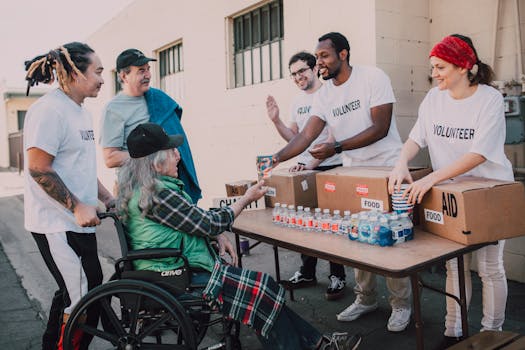
At the heart of volunteering for a nonprofit is the profound satisfaction of making a tangible, positive impact on your community and the world at large. In an era where many feel disconnected from the societal issues around them, volunteering offers a direct pathway to contribute to meaningful change. Whether it's feeding the homeless, protecting endangered species, providing educational support to underserved youth, or advocating for policy reform, your efforts contribute directly to the mission of the organization. This direct involvement allows you to witness the results of your hard work firsthand, which can be an incredibly rewarding and motivating experience. The feeling of being part of a solution, however small your individual contribution might seem, empowers you and gives a deeper meaning to your daily life. It transforms abstract problems into concrete actions, allowing you to be an active agent of positive transformation. Beyond the immediate impact, volunteering also plays a crucial role in strengthening community bonds and fostering a sense of collective responsibility. When individuals come together to address local challenges, it builds social cohesion and reinforces the idea that we are all interconnected. This shared endeavor can break down barriers between different demographic groups, promoting understanding and empathy. It creates a vibrant, engaged community where people feel empowered to contribute and support one another. For those new to a city or seeking to integrate more deeply into their local area, volunteering is an excellent way to become an active participant in community life, connect with local issues, and meet neighbors who share a passion for making a difference. It helps to weave the fabric of society, creating resilient and compassionate communities that can better address future challenges. The ripple effect of individual volunteer actions can be vast, inspiring others to get involved and collectively enhancing the well-being of entire neighborhoods and regions. Understanding the mission and impact of a nonprofit is key to appreciating how your time directly translates into positive change. This sense of collective achievement, of being part of something bigger than oneself, is a powerful motivator that encourages continued engagement and deepens one's connection to their surroundings. It's a testament to the power of collective action, demonstrating that even small contributions can accumulate into significant societal benefits.

Navigating Your Volunteer Journey: Tips for Success and Common Pitfalls

Embarking on a volunteer journey with a nonprofit can be incredibly rewarding, but a few strategic considerations can enhance your experience and maximize your impact. First, clearly define your expectations. Understand that nonprofit work, while fulfilling, can sometimes be challenging, demanding patience and adaptability. Don't expect immediate, dramatic results; change often happens incrementally. Second, be realistic about your availability and commitment. It's far better to commit to a consistent, smaller amount of time than to overpromise and underdeliver. Nonprofits rely on dependable volunteers, so punctuality and reliability are paramount. Communicate openly with your volunteer coordinator about any changes in your schedule or capacity. Third, be open to learning new skills and taking on different tasks. While you might have specific talents, flexibility is a huge asset. Sometimes, the greatest need lies in areas you hadn't considered, offering unexpected opportunities for growth. Conversely, there are a few common pitfalls to avoid. One significant mistake is failing to research the organization thoroughly. Ensure the nonprofit's mission, values, and operational practices align with your own. A mismatch can lead to disillusionment. Another pitfall is treating volunteering like a chore rather than an opportunity. Approach it with enthusiasm and a genuine desire to help, as your attitude can significantly influence the experience for both yourself and those you interact with. Avoid taking on too much responsibility too quickly, especially if you're new to the organization or the type of work. This can lead to burnout and ineffective contributions. Lastly, don't be afraid to ask for help or clarification when needed. Nonprofits appreciate proactive volunteers who seek to understand their roles fully. Overcoming these potential challenges ensures a more productive and satisfying volunteer experience for everyone involved. **Tips for a Successful Volunteer Experience:** * **Align with Your Values:** Choose a cause you genuinely care about. * **Communicate Clearly:** Discuss your availability and expectations upfront. * **Be Reliable:** Show up on time and fulfill your commitments. * **Embrace Flexibility:** Be open to diverse tasks and learning opportunities. * **Ask Questions:** Don't hesitate to seek clarification or guidance. **Common Pitfalls to Avoid:** * **Lack of Research:** Not understanding the nonprofit's mission or culture. * **Overcommitment:** Taking on more than you can realistically handle. * **Passive Engagement:** Waiting to be told what to do instead of being proactive. * **Ignoring Boundaries:** Failing to respect the organization's processes or staff roles. * **Expecting Immediate Gratification:** Understanding that impact often takes time.

Comparison

AspectVolunteering for a NonprofitPaid EmploymentInformal Helping (Friends/Family)
MotivationPurpose, Impact, GrowthFinancial, Career ProgressionPersonal Relationship, Reciprocity
Skill DevelopmentDiverse, Transferable, Hands-onSpecialized, Role-specificLimited, Contextual
NetworkingMission-driven, Diverse ProfessionalsIndustry-specific, HierarchicalPersonal Circle
Mental Health BenefitsHigh (Purpose, Connection)Variable (Stress, Pressure)Variable (Can be draining)
Career Advancement✓ (Resume, Skills, Network)✓ (Directly)✗ (Indirectly)
Sense of CommunityHigh (Shared Mission)Medium (Workplace Culture)High (Intimate)
Time CommitmentFlexible, AdaptableFixed, ContractualSpontaneous, As needed

What Readers Say

"Volunteering at the local animal shelter has been life-changing. I've gained so much confidence in handling animals and my public speaking skills have vastly improved from talking to potential adopters. The benefits of volunteering for a nonprofit are truly immeasurable for personal growth."

Sarah J. · Austin, TX

"As a retired engineer, I wanted to stay active and contribute. Mentoring young students at a STEM nonprofit has given me a new sense of purpose and allowed me to use my expertise in a meaningful way. It's incredibly rewarding to see their progress."

Mark D. · Seattle, WA

"I was struggling with social anxiety, but volunteering for a food bank forced me to interact with people and work as part of a team. Within six months, my confidence soared, and I even landed a job interview where I highlighted my teamwork skills from volunteering."

Emily R. · Denver, CO

"While the initial training for my environmental cleanup group felt a bit disorganized, the actual work and the camaraderie with fellow volunteers more than made up for it. The sense of accomplishment after a full day's work is fantastic, and I've learned a lot about local ecosystems."

David L. · Chicago, IL

"After moving to a new city, I felt isolated. Volunteering with a children's literacy program helped me meet incredible people and feel connected to my new community. It's a wonderful way to build a network and make friends while doing good."

Jessica M. · Miami, FL

Frequently Asked Questions

What are the primary benefits of volunteering for a nonprofit?

The primary benefits include significant personal growth, enhanced mental and physical well-being, valuable professional skill development, expanded networking opportunities, and the profound satisfaction of making a tangible positive impact on your community and chosen cause. It's a holistic investment in yourself and society.

I'm worried I don't have enough time to volunteer. What should I do?

Many nonprofits offer flexible volunteer opportunities, ranging from a few hours a month to specific one-off events. It's important to be honest about your availability and find an organization that can accommodate your schedule. Even a small, consistent contribution can make a big difference, so don't let perceived time constraints deter you.

How do I find a nonprofit that aligns with my interests?

Start by identifying causes you're passionate about, then utilize online platforms like VolunteerMatch.org, Idealist.org, or your local United Way chapter. These resources allow you to search for opportunities based on location, cause, and skills, helping you find the perfect match.

Does volunteering actually help my career or resume?

Absolutely. Volunteering demonstrates initiative, leadership, teamwork, and a commitment to continuous learning – all highly valued by employers. It allows you to develop new skills, gain practical experience, and build a professional network, providing concrete examples to enhance your resume and interview responses.

Is volunteering better than donating money to a nonprofit?

Both volunteering time and donating money are incredibly valuable and often complementary. Donating provides financial resources for operations, while volunteering offers hands-on support, specialized skills, and a direct human connection. The 'better' option depends on your personal capacity and what you feel most called to contribute.

Who should consider the benefits of volunteering for a nonprofit?

Anyone looking to enrich their life, develop new skills, expand their social and professional networks, combat loneliness, reduce stress, or simply contribute positively to their community should consider volunteering. It's beneficial for students, professionals, retirees, and those seeking personal growth.

Are there any risks associated with volunteering for a nonprofit?

While generally safe, potential risks can include exposure to challenging environments, physical strain, or emotional fatigue. Most reputable nonprofits provide training, safety protocols, and support systems to mitigate these. It's crucial to choose an organization with a strong reputation and clear guidelines for volunteers.

How might volunteering trends evolve in the future?

Future volunteering trends are likely to see an increase in virtual opportunities, skill-based volunteering (pro bono work), and micro-volunteering due to technological advancements and changing work patterns. There will also be a continued emphasis on impact measurement and flexible engagement models to attract a broader demographic.

Ready to discover the profound personal and professional benefits of volunteering for a nonprofit? Take the first step today to connect with a cause that resonates with you and begin your journey of making a meaningful difference while enriching your own life in countless ways. Your community, and your future self, will thank you.

Topics: benefits of volunteering for a nonprofitvolunteer impactnonprofit volunteering advantagespersonal growth volunteeringcareer benefits of volunteering
Leo List
Brampton weed
Adultwork EstrelaBet Vai de Bet R7 Bet Betão Galera Bet Rainbet Bet9ja Shop SportyBet BetKing Sisal Loto Foot Hollywoodbets YesPlay Odibets RushBet Jugabet BetWarrior BetCity MSport betPawa Fortebet